
How to Improve Gut Health? A Simple Diet Plan
In One Sentence: To improve your gut health, you need to eat a diverse diet of 30 different plant-based foods a week, increase your fibre intake gradually, and reduce ultra-processed foods.
You can dramatically improve your gut health by adopting a diet rich in diverse plant fibres and fermented foods, while reducing your intake of ultra-processed items. A balanced gut microbiome is the foundation of good digestion, a strong immune system, and even a stable mood. If you are struggling with constant bloating, irregular bowel movements, or unexplained fatigue, your gut bacteria may be out of balance. This guide outlines a practical, supermarket-friendly diet plan based on the "30 plants a week" rule. You will learn the crucial difference between prebiotics and probiotics, how to identify the signs of an unhealthy gut, and when your symptoms might require a clinical treatment, such as those for Irritable Bowel Syndrome (IBS).

Key Takeaways
How can I improve my gut health quickly?
You can start improving your gut health immediately by increasing your daily water intake and adding fermented foods (like live yogurt or kefir) to your diet. However, lasting changes to your microbiome usually take several weeks of consistent dietary adjustments.
What are the signs of poor gut health?
The most common signs of poor gut health include frequent bloating, excess gas, constipation or diarrhoea, unexplained fatigue, and sudden food intolerances. You may also notice skin irritation or changes in your mood.
What is the difference between prebiotics and probiotics?
Prebiotics are a type of dietary fibre that your body cannot digest; instead, they act as food for your existing good bacteria. Probiotics are live, beneficial bacteria found in fermented foods or supplements that add new microbes to your gut ecosystem.
What is the best diet for gut health?
The best diet for gut health focuses on diversity. UK microbiome research suggests aiming for 30 different types of plant-based foods each week, including fruits, vegetables, nuts, seeds, and legumes, alongside high-quality fermented foods.

What is the Gut Microbiome?
The gut microbiome is a complex ecosystem of over 100 trillion microorganisms, mostly bacteria, but also fungi and viruses, that live in your digestive tract. These microbes are essential for human survival. They help break down complex carbohydrates, produce essential vitamins, and regulate your immune system.
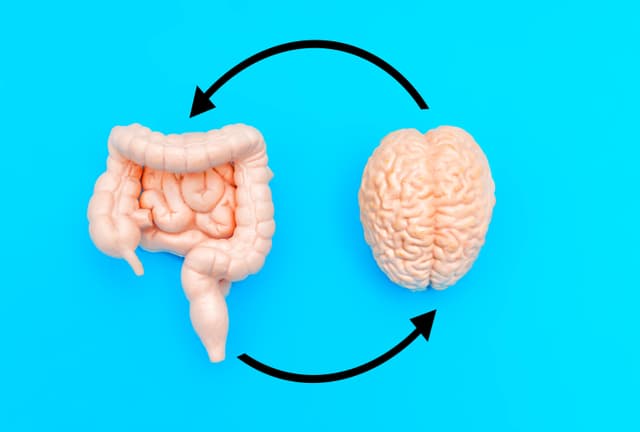
The Gut-Brain Axis
Your gut and your brain are constantly communicating through a network of nerves and chemical signals known as the gut-brain axis. Remarkably, an estimated 90% of your body's serotonin (the neurotransmitter responsible for regulating mood and happiness) is produced in the digestive tract.[1] This is why digestive distress is so often linked to anxiety, and why stress can instantly cause an upset stomach.
5 Signs of an Unhealthy Gut
When the balance of good and bad bacteria is disrupted (a state known as dysbiosis), your body will let you know. Over 80% of the UK population regularly experiences digestive discomfort.[2] Look out for these five common signs:
Persistent digestive issues: Frequent bloating, excess gas, constipation, or diarrhoea.
Unintentional weight changes: Gaining or losing weight without making changes to your diet or exercise habits.
Constant fatigue: An unhealthy gut struggles to absorb nutrients efficiently, leaving you feeling tired.
Skin irritation: Conditions like eczema can be linked to inflammation originating in the gut.
Food intolerances: Suddenly struggling to digest foods you previously tolerated well.
Prebiotics vs. Probiotics: What is the Difference?
To improve your gut health, you need a combination of both prebiotics and probiotics. While they sound similar, they perform completely different functions in your digestive system.
Feature | Prebiotics | Probiotics | |||
| What are they? | Types of dietary fibre that the human body cannot digest. | Live, beneficial bacteria and yeasts. | |||
|---|---|---|---|---|---|
| What do they do? | Act as food or fertiliser to nourish the existing good bacteria in your gut. | Add new populations of good bacteria to your microbiome ecosystem. | |||
| Best Food Sources | Garlic, onions, leeks, asparagus, bananas, oats, and apples. | Live yogurt, kefir, sauerkraut, kimchi, kombucha, and miso. |
If you struggle to consume fermented foods regularly, a high-quality probiotic supplements can be a convenient way to introduce beneficial bacteria to your system, especially after taking a course of antibiotics.
The UK Meds Gut Health Diet Plan
Transforming your gut health does not require a restrictive or complicated diet. By focusing on adding diverse, nutrient-dense foods and reducing known irritants, you can cultivate a thriving microbiome.
Food Category | Gut-Friendly Choices (Add These) | Gut-Disrupting Choices (Limit These) | |||
| Carbohydrates | Oats, brown rice, quinoa, and wholemeal bread (rich in prebiotic fibre). | White bread, pastries, and highly refined cereals. | |||
|---|---|---|---|---|---|
| Proteins | Lentils, chickpeas, mixed beans, and lean poultry. | Ultra-processed meats like sausages, hot dogs, and bacon. | |||
| Dairy & Alternatives | Unsweetened live yogurt and kefir (rich in probiotics). | Heavily sweetened fruit yogurts and highly processed cheese slices. | |||
| Drinks | Water, herbal teas, and kombucha. | Excessive alcohol, energy drinks, and sugary fizzy drinks. | |||
| Snacks | Mixed nuts, seeds, and fresh fruit. | Crisps, sweets, and snacks containing artificial emulsifiers. |
1. Aim for 30 Plants a Week
UK microbiome research has shown that dietary diversity is the single most important factor for gut health. Eating 30 different types of plant-based foods a week creates a highly diverse and resilient microbiome.[3] This includes fruits, vegetables, nuts, seeds, whole grains, and legumes. Sprinkle mixed seeds on your porridge or add mixed beans to a stew to quickly boost your weekly count.
2. Increase Fibre Gradually
The NHS recommends that adults consume 30g of fibre a day.[4] Fibre is essential for keeping bowel movements regular and feeding your microbiome. However, if your current diet is low in fibre, you must increase your intake slowly. Adding too much fibre suddenly can cause painful bloating and gas as your gut bacteria adjust.
3. Introduce Fermented Foods
Fermented foods are naturally rich in probiotics. Aim to include a small portion of live yogurt, kefir, or a fermented vegetable like sauerkraut into your daily diet. Look for labels that explicitly state "contains live cultures" to ensure the bacteria are still active.
4. Cut Back on Ultra-Processed Foods (UPFs)
Ultra-processed foods (UPFs) are heavily industrialised products that often contain artificial emulsifiers, sweeteners, and preservatives. These chemicals can alter the composition of your microbiome and potentially damage the protective lining of your gut. Focus on whole, unprocessed ingredients wherever possible.
When Diet Isn't Enough: Managing IBS and Reflux
While a gut-friendly diet can transform your daily comfort, it is not a cure-all. If you have been diagnosed with Irritable Bowel Syndrome (IBS), certain healthy, high-fibre foods might actually trigger your symptoms. In these cases, following a specialised diet (like the low-FODMAP diet) under the guidance of a dietitian is recommended.[5]
If your digestive discomfort persists despite dietary changes, you may require clinical support. For ongoing stomach cramps and unpredictable bowel habits, IBS treatments (such as antispasmodics) can provide targeted relief. Similarly, if acidic foods are causing persistent heartburn, acid reflux / heartburn treatments can help manage the symptoms while you adjust your diet.
Medical Disclaimer: The information provided in this article is for educational purposes only and does not replace professional medical advice. If you experience "red flag" symptoms, such as unexplained weight loss, bleeding from your bottom, persistent severe abdominal pain, or a sudden, lasting change in your bowel habits, you must consult your GP immediately to rule out serious conditions. For manageable, diagnosed conditions like IBS or acid reflux, consult the UK Meds clinical team to explore safe, prescription treatments.
Frequently Asked Questions
How can I improve my gut health quickly?
You can start by drinking plenty of water, which helps fibre move smoothly through your digestive tract, and introducing a daily serving of fermented foods like kefir or live yogurt. Reducing alcohol and refined sugar will also quickly decrease gut inflammation.
Is yogurt actually good for gut health?
Yes, but only if you choose the right type. You must look for natural, unsweetened yogurt that explicitly states it contains "live and active cultures." Heavily sweetened, highly processed yogurts do not offer the same probiotic benefits.
Does alcohol affect the gut microbiome?
Yes. Excessive alcohol consumption disrupts the balance of your gut microbiome, decreasing the number of beneficial bacteria and increasing inflammation in the gut lining. This is why heavy drinking often leads to digestive upset the following day.
How long does it take to improve gut health?
Your gut microbiome is highly responsive to dietary changes. You can alter the composition of your gut bacteria within just a few days of changing your diet. However, experiencing lasting relief from symptoms like bloating can take several weeks of consistent, healthy eating.
Can poor gut health cause anxiety?
Because the gut and brain are closely linked via the gut-brain axis, a disrupted microbiome can impact your mental wellbeing. Poor gut health can affect the production of serotonin, potentially exacerbating feelings of anxiety or low mood.
Final Thoughts From Our Clinical Team
"Improving your gut health is arguably one of the most impactful lifestyle changes you can make. The connection between a diverse microbiome and our overall physical and mental wellbeing is undeniable. We encourage patients to view their diet not as a restriction, but as an opportunity to add as much colour and variety as possible to feed their good bacteria. However, it is vital to remember that persistent digestive pain is not something you just have to live with. If dietary changes aren't shifting your IBS or reflux symptoms, seeking a clinical consultation is the appropriate next step."
Sources and References
Appleton J. The Gut-Brain Axis: Influence of Microbiota on Mood and Mental Health. Integr Med (Encinitas). 2018 Aug;17(4):28-32. PMID: 31043907; PMCID: PMC6469458. [Type: Scientific overview]. Accessed: 06 May 2026.
Mintel Store - UK Digestive Health Market Report 2025 [2025]. https://store.mintel.com/report/uk-digestive-health-market-report [Type: Charity guidance]. Accessed: 06 May 2026.
The Microsetta Initiative - How dietary variety and gut microbiome diversity are associated [2024]. https://microsetta.ucsd.edu/30-plants-per-week/ [Type: Academic research]. Accessed: 06 May 2026.
National Health Service (NHS) - Good foods to help your digestion. [2023]. https://www.nhs.uk/live-well/eat-well/digestive-health/good-foods-to-help-your-digestion/ [Type: NHS guidance]. Accessed: 06 May 2026.
National Institute for Health and Care Excellence (NICE) - Irritable bowel syndrome in adults: diagnosis and management. [2008, updated 2017]. https://www.nice.org.uk/guidance/cg61 [Type: NICE guideline]. Accessed: 06 May 2026.
Related Blog Posts




Related Products
Related Products
Blog author


Scott Weaver
Scott is an experienced and professional content writer who works exclusively for UK Meds.

Related Blog Posts





Here to help you
Our Customer Service is available Monday to Friday 9am - 5pm. If you need urgent assistance, do not use this service. Call 111, or in an emergency call 999. Visit our help section