New customer offer: Save £30 on your first weight loss consultation with code WLNC30 | T&Cs apply*

Scott Weaver
Updated at: September 22, 2025 · 10 min read
Low Cholesterol Diet: A Guide to Lower Cholesterol Through Your Food Choices
In this article, we’ll explore how cholesterol affects your health and how the food you eat can influence your cholesterol levels. We’ll explain what cholesterol is, the impact of saturated fats on your cholesterol and the recommended amount of saturated fat you need to eat. We’ll also look at the best foods to help lower your bad cholesterol and improve your overall heart health. As well as that, we’ll also share the ‘UK Meds Low Cholesterol Diet: A 7-Day Meal Plan’ to help you make heart-healthy food choices.
Key Takeaways
Here are the five biggest takeaways from this article about low cholesterol and your diet:
Cholesterol is a fatty substance made in the liver and carried in the blood by LDL (bad cholesterol) and HDL (good cholesterol).
The food you eat plays a crucial role in cholesterol levels. Saturated and trans fats raise LDL cholesterol, while fibre-rich foods and healthy fats can help lower it.
Consuming too much saturated fat increases LDL cholesterol, leading to plaque buildup in the arteries, which raises the risk of heart disease and stroke.
The UK government advises that men should consume no more than 30g of saturated fat daily, women no more than 20g, and children even less.
Foods like oats, nuts, fatty fish and avocados can help lower LDL cholesterol, while red meat, butter, fried foods and processed snacks should be avoided.
What is cholesterol?
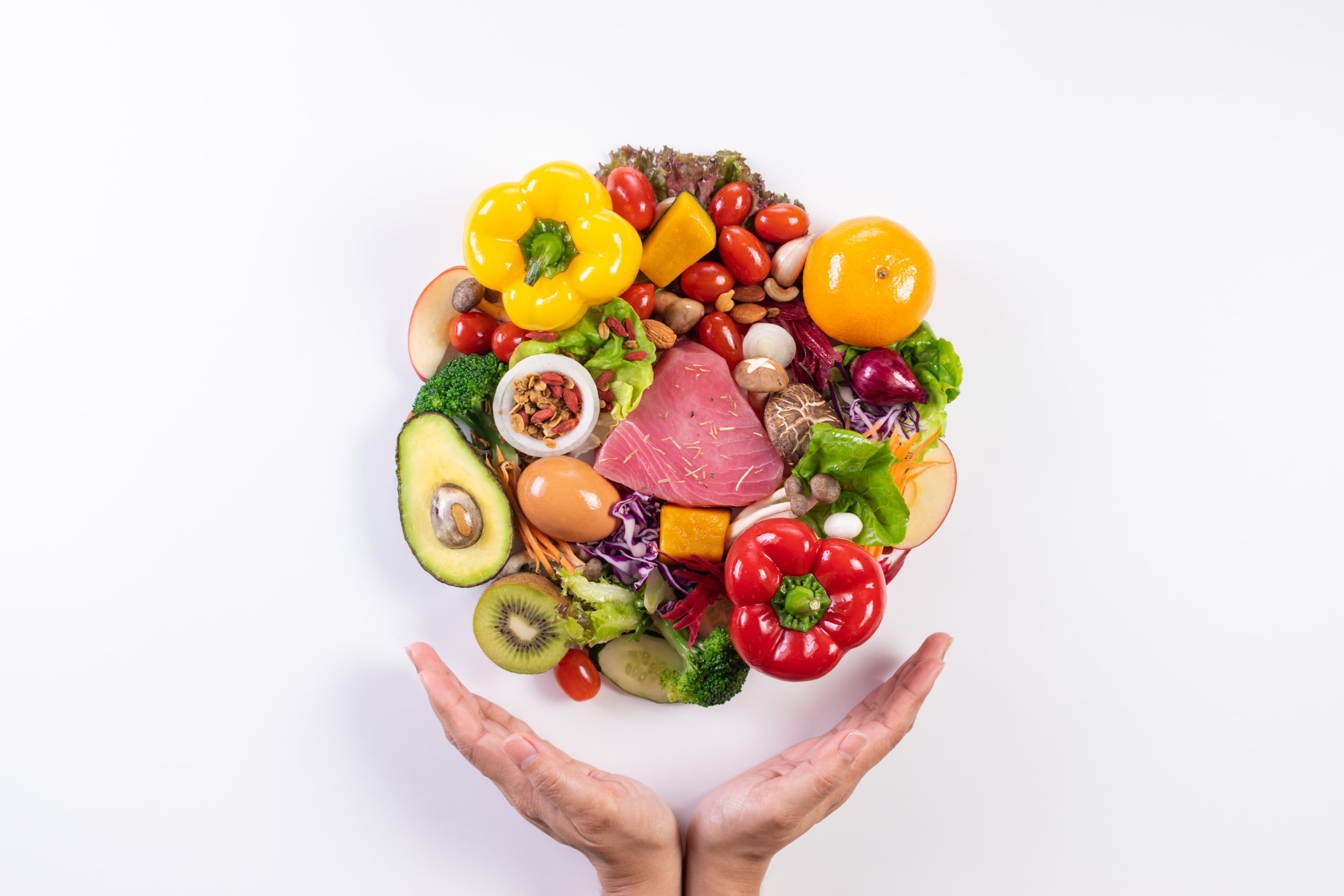
Cholesterol is a fatty substance that is primarily produced in the liver. It plays an important role in various bodily functions such as building cells and producing certain hormones. Cholesterol is carried through the blood by two main types of lipoproteins. These are low-density lipoprotein (LDL) and high-density lipoprotein (HDL).
LDL is often referred to as "bad" cholesterol because high levels can lead to plaque buildup in the arteries, increasing the risk of heart disease. HDL is known as "good" cholesterol, as it helps remove LDL cholesterol from the bloodstream, reducing the risk of cardiovascular problems.
Can the food that you eat influence your cholesterol levels?
Yes, the food you eat can have a significant impact on your cholesterol levels. Diet plays a key role in the balance between "good" HDL cholesterol and "bad" LDL cholesterol in your body. Foods high in saturated fats and trans fats can raise LDL cholesterol levels, which contribute to some dangerous health conditions [1].
Eating foods high in healthy fats and fibre can help lower LDL cholesterol and raise HDL cholesterol. For example, foods like fatty fish, oats and nuts are known to improve cholesterol levels, while processed and fried foods may have the opposite effect.
How can eating too much saturated fat in your diet affect your cholesterol?
Eating too much saturated fat in your diet can raise the levels of "bad" LDL cholesterol in your blood. This increase in LDL cholesterol can lead to plaque buildup in the arteries, which can block blood flow and increase the risk of heart disease and stroke. By consuming too many saturated fats, you may also reduce the effectiveness of HDL cholesterol, which makes it harder for your body to eliminate excess cholesterol and maintain a healthy heart [2].
What is the recommended amount of saturated fat to consume?
Most people in the UK consume too much saturated fat, which can negatively impact cholesterol levels and overall health. The government recommends that men should not consume more than 30g of saturated fat per day, while women should aim for no more than 20g. For children, the recommended intake is even lower, depending on their age. Another good standard to stick to is recommended by the Food Standards Agency, who say no more than 10% of food consumed should be saturated fats [3]. By staying within these guidelines, you can help maintain healthy cholesterol levels and reduce the risk of heart disease.
What are the best foods to help you lower bad cholesterol?
Eating the right foods can help reduce bad cholesterol (LDL) and boost good cholesterol (HDL). Here’s what to include in your diet:
✔️Fibre-rich foods:
Oats, lentils, beans, whole grains, fruits and vegetables help remove cholesterol from the body.
✔️Healthy fats:
Avocados, olive oil, nuts and seeds support heart health.
✔️Omega-3 fatty acids:
Found in salmon, mackerel, flaxseeds and walnuts, these help lower bad cholesterol.
✔️Plant sterols and stanols:
Found in fortified spreads and dairy alternatives, these block cholesterol absorption.
Foods to Avoid:
❌Saturated fats:
Found in red meat, butter, full-fat dairy and fried foods.
❌Trans fats:
Found in processed foods, pastries, margarine and some ready meals.
❌Excess sugar:
Found in fizzy drinks, cakes, biscuits and sweetened yoghurts.
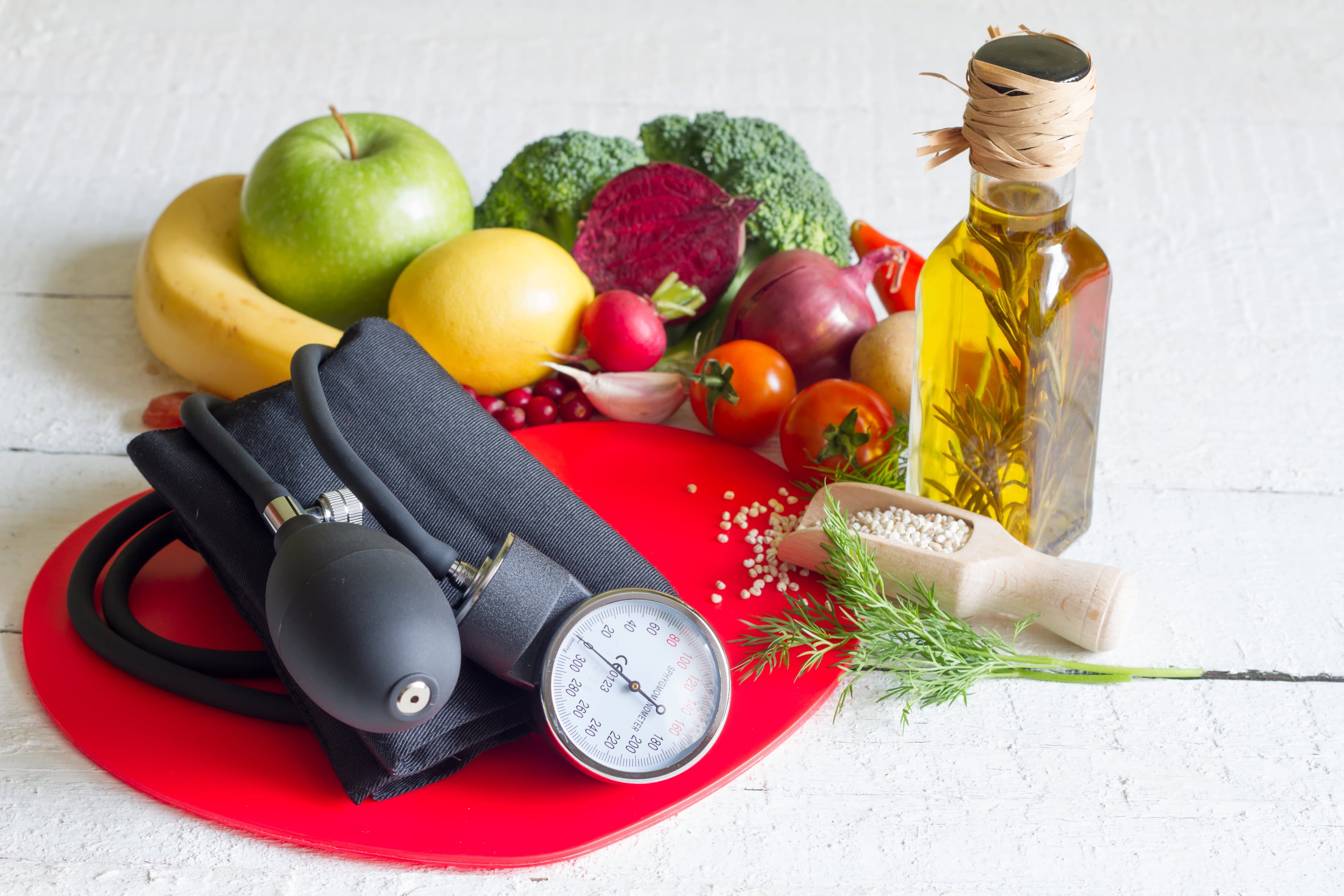
UK Meds Low Cholesterol Diet: 7 Day Meal Plan
Eating a heart-healthy diet can help lower bad cholesterol (LDL) and reduce the risk of heart disease. The key is choosing high-fibre foods, healthy fats and lean protein sources while cutting down on saturated fats, processed foods and excess sugar.
The UK Meds low-cholesterol diet plan is designed for different dietary preferences and includes easy-to-follow meals for each day of the week using UK-friendly ingredients.
Meal Plan 1: For People Who Eat Everything (Omnivores)
Monday
Breakfast: Porridge with chia seeds, sliced apple and a drizzle of honey
Lunch: Grilled chicken salad with olive oil dressing & wholegrain bread
Dinner: Baked salmon with steamed broccoli and quinoa
Snack: Handful of almonds & a cup of green tea
Tuesday
Breakfast: Scrambled eggs on wholegrain toast with avocado
Lunch: Lentil and vegetable soup with oatcakes
Dinner: Turkey stir-fry with brown rice and mixed vegetables
Snack: Low-fat Greek yoghurt with berries
Wednesday
Breakfast: Weetabix with semi-skimmed milk and banana slices
Lunch: Wholemeal tuna sandwich with cucumber & tomato
Dinner: Grilled chicken with roasted sweet potatoes and spinach
Snack: Hummus with carrot and celery sticks
Thursday
Breakfast: Overnight oats with flaxseeds, walnuts & blueberries
Lunch: Quinoa salad with chickpeas, avocado and cherry tomatoes
Dinner: Baked cod with asparagus and mashed sweet potatoes
Snack: A handful of mixed nuts
Friday
Breakfast: Wholemeal toast with peanut butter and sliced banana
Lunch: Baked potato with cottage cheese and a side salad
Dinner: Lean beef stir-fry with brown rice
Snack: A handful of pumpkin seeds
Saturday
Breakfast: Porridge with cinnamon and chopped walnuts
Lunch: Grilled salmon with quinoa and mixed greens
Dinner: Chicken and vegetable curry with wholegrain rice
Snack: Dark chocolate (85%) with a handful of almonds
Sunday
Breakfast: Poached eggs on wholegrain toast with avocado
Lunch: Roasted vegetable and chickpea salad
Dinner: Baked trout with steamed green beans and quinoa
Snack: Apple slices with almond butter
Meal Plan 2: For Pescatarians
Monday
Breakfast: Porridge with flaxseeds and sliced strawberries
Lunch: Mackerel salad with lemon and olive oil dressing
Dinner: Grilled salmon with quinoa and steamed broccoli
Snack: A handful of walnuts
Tuesday
Breakfast: Scrambled eggs with smoked salmon on wholegrain toast
Lunch: Sweet potato and black bean stew
Dinner: Tuna and avocado salad with mixed greens
Snack: Dark chocolate (85%) with almonds
Wednesday
Breakfast: Weetabix with almond milk and banana
Lunch: Lentil and tomato soup with wholegrain crackers
Dinner: Baked cod with brown rice and green beans
Snack: Hummus with cucumber and celery
Thursday
Breakfast: Overnight oats with walnuts and blueberries
Lunch: Roasted vegetable quinoa bowl with tahini dressing
Dinner: Grilled trout with mashed sweet potatoes
Snack: A handful of mixed nuts
Friday
Breakfast: Wholemeal toast with almond butter and banana
Lunch: Baked potato with cottage cheese and a side of spinach
Dinner: Prawn stir-fry with brown rice
Snack: A handful of sunflower seeds
Saturday
Breakfast: Chia pudding with coconut milk and berries
Lunch: Grilled sardines on wholegrain toast with rocket
Dinner: Salmon and quinoa salad with lemon dressing
Snack: Dark chocolate and a handful of almonds
Sunday
Breakfast: Poached eggs on wholegrain toast with avocado
Lunch: Spinach and feta omelette
Dinner: Baked sea bass with steamed vegetables and brown rice
Snack: Apple slices with peanut butter
Meal Plan 3: For Vegetarians
Monday
Breakfast: Porridge with chia seeds and banana
Lunch: Lentil and quinoa salad
Dinner: Stuffed peppers with brown rice and black beans
Snack: A handful of mixed nuts
Tuesday
Breakfast: Scrambled eggs on wholemeal toast with avocado
Lunch: Butternut squash soup with oatcakes
Dinner: Chickpea and vegetable curry with wholegrain rice
Snack: Hummus with carrot sticks
Wednesday
Breakfast: Weetabix with almond milk and berries
Lunch: Spinach and feta salad with walnuts
Dinner: Grilled halloumi with roasted vegetables
Snack: A handful of almonds
Thursday
Breakfast: Overnight oats with flaxseeds and blueberries
Lunch: Roasted vegetable sandwich with hummus
Dinner: Lentil stew with wholegrain bread
Snack: Dark chocolate with walnuts
Friday
Breakfast: Wholemeal toast with peanut butter
Lunch: Baked potato with cottage cheese and a side salad
Dinner: Spinach and ricotta stuffed aubergines
Snack: A handful of pumpkin seeds
Saturday
Breakfast: Chia pudding with coconut milk and berries
Lunch: Quinoa and black bean salad
Dinner: Roasted cauliflower with chickpeas and tahini dressing
Snack: Apple slices with almond butter
Sunday
Breakfast: Poached eggs on wholegrain toast
Lunch: Tomato and mozzarella salad
Dinner: Vegetable lasagne
Snack: A handful of mixed nuts
Meal Plan 4: For Vegans
Monday
Breakfast: Porridge with chia seeds and almond milk
Lunch: Lentil and quinoa salad
Dinner: Stuffed peppers with brown rice and black beans
Snack: A handful of walnuts
Tuesday
Breakfast: Chia pudding with coconut milk and berries
Lunch: Butternut squash soup with wholegrain crackers
Dinner: Chickpea and vegetable curry with quinoa
Snack: Hummus with cucumber sticks
Wednesday
Breakfast: Weetabix with almond milk and banana
Lunch: Roasted vegetable sandwich with hummus
Dinner: Tofu stir-fry with brown rice
Snack: Dark chocolate with almonds
Thursday
Breakfast: Overnight oats with flaxseeds and blueberries
Lunch: Avocado and black bean salad
Dinner: Lentil stew with wholegrain bread
Snack: A handful of sunflower seeds
Friday
Breakfast: Wholemeal toast with almond butter and sliced banana
Lunch: Baked sweet potato with guacamole and a mixed greens salad
Dinner: Grilled tempeh with quinoa and roasted vegetables
Snack: A handful of pumpkin seeds
Saturday
Breakfast: Chia pudding with coconut milk, walnuts and strawberries
Lunch: Quinoa and black bean salad with lemon dressing
Dinner: Roasted cauliflower with chickpeas and tahini dressing
Snack: Apple slices with peanut butter
Sunday
Breakfast: Smoothie bowl with almond milk, oats, flaxseeds and berries
Lunch: Wholegrain pasta with roasted vegetables and tomato sauce
Dinner: Vegan chilli with kidney beans and brown rice
Snack: A handful of mixed nuts
Note: This diet plan is not a substitute for medical advice. Always consult with your doctor or healthcare provider before making significant dietary changes, especially if you have an existing health condition or are taking medication.
Final Thoughts
Managing cholesterol levels through your diet is an effective way to support heart health and reduce the risk of cardiovascular disease. Cholesterol is carried in the blood by LDL (bad cholesterol) and HDL (good cholesterol). Eating too much saturated fat can raise LDL levels, increasing the risk of heart disease. A diet rich in fibre, healthy fats and omega-3 fatty acids can help lower LDL and boost HDL.
The UK government recommends limiting saturated fat intake to 30g per day for men and 20g for women. Making smart choices when it comes to food, such as increasing whole grains, fruits, vegetables and healthy fats while reducing processed foods and trans fats, can make a significant difference. To help you get started, the UK Meds Low Cholesterol Diet: 7-Day Meal Plan provides a practical guide to eating for better heart health.
Sources
[3] Saturated fat | Food Standards Agency
Further Reading
Related Blog Posts




Blog author


Scott Weaver
Scott is an experienced and professional content writer who works exclusively for UK Meds.
Content last updated:

Related Blog Posts




Here to help you
Our Customer Service is available Monday to Friday 9am - 5pm. If you need urgent assistance, do not use this service. Call 111, or in an emergency call 999. Visit our help section