Scott Weaver
Updated at: April 02, 2026 · 10 min read
Low Oestrogen: A Beginner's Guide To Managing Symptoms
In this beginner's guide, we will explain exactly what oestrogen is and why it is so important for your daily health. If your body stops making enough of this vital hormone, it can cause uncomfortable changes like hot flushes, poor sleep, and low energy.
Whether you are going through the menopause or dealing with other hormonal shifts, understanding your body is the first step to feeling better. We are going to guide you through the most common signs of low oestrogen, explain what causes them, and share practical advice on how you can manage your symptoms with simple lifestyle changes and safe treatments available from UK Meds.
In One Sentence
Low oestrogen is a natural hormone drop that often happens during perimenopause and menopause, causing symptoms like hot flushes, frequent urinary infections, and tiredness, but you can manage it easily with healthy habits and Hormone Replacement Therapy.
Key Takeaways
What is oestrogen?
It is a vital group of hormones that controls the female reproductive system and keeps bones, skin, and the heart very healthy.
What causes low oestrogen?
The most common cause is the menopause, but it can also be triggered by extreme exercise, eating disorders like anorexia nervosa, or certain cancer treatments.
How do you manage low oestrogen symptoms?
You can improve how you feel by making lifestyle changes to protect your bone mineral density, or by using Hormone Replacement Therapy (HRT) from UK Meds.
What Is Oestrogen?
Oestrogen is a vital group of hormones made mostly in the ovaries that helps control the female reproductive system. The three main types are estradiol (the strongest form), estrone (made after menopause), and estriol (which spikes during pregnancy). It manages your monthly menstrual cycle, protects your bone health, and keeps your heart healthy. While it is known as a female hormone, men also have small amounts of it.
Your adrenal glands and fat cells also make tiny amounts of this hormone. It is deeply connected to your overall health and wellbeing. Without it, your body struggles to maintain healthy tissues.
What Function Does Oestrogen Have In The Female Body?
Oestrogen drives the female menstrual cycle[1] and controls the growth of the womb lining[2]. It also guides breast development, regulates mood chemicals in the brain, and keeps your skin, hair, and heart in good condition[3]. Keeping this hormone balanced is very important for your long term health.
Without the right amount of oestrogen, the body struggles to maintain the fat distribution and hair growth patterns that are typical for females.
What Are The Common Symptoms Of Low Oestrogen Levels?
Low oestrogen levels cause a range of noticeable body changes starting in perimenopause and continuing into postmenopause. The most common signs are irregular periods, hot flushes, and night sweats. You might also experience painful sex, breast tenderness, or frequent urinary tract infections. These symptoms happen because your tissues are reacting to the hormone drop.
Because every person is different, you might not get all of these symptoms. The most reported signs include:
Irregular menstrual cycles: Your periods may become unpredictable or stop entirely.
Hot flushes and night sweats: Sudden feelings of extreme heat. Note that women with a high Body Mass Index (BMI) might experience these more frequently.
Vaginal dryness and painful sex (dyspareunia): A lack of moisture causing severe discomfort. This is part of a condition doctors call Genitourinary Syndrome of Menopause (GSM).
Frequent Urinary Tract Infections (UTIs): Thinning of the urinary tract tissues makes infections more likely, which is also a common part of GSM.
Breast tenderness: Your breasts might feel sore or less full.
Mood swings and depression: Feeling sad, angry, or anxious very quickly.
Fatigue: Feeling tired all the time.
Joint pain: Aching in your knees, wrists, or other joints.
How Can Low Oestrogen Level Symptoms Be Self Managed?
You can self manage low oestrogen symptoms by making simple lifestyle changes like eating a balanced diet, staying hydrated, and doing regular weight-bearing exercise. Wearing light clothes and using a fan can also help you stay cool when hot flushes happen. These daily habits support your body naturally.
Dress Comfortably: Wear light, breathable clothes made from natural fabrics like cotton. This helps you regulate your body temperature during the day and night.
Stay Cool: Keep a handheld fan or a small water spray bottle nearby to cool down quickly when a hot flush starts[4].
Get Regular Exercise: Walking, swimming, or yoga can boost your mood and improve your heart health[5]. Weight-bearing exercise is especially important to protect your bone mineral density from dropping.
Eat A Healthy Diet: Eat plenty of fruits, vegetables, and whole grains. Foods rich in phytoestrogens, like soy and flaxseeds, can naturally support hormone balance. Make sure to get plenty of calcium and Vitamin D to protect your bones.
Prioritise Sleep: Make sure your bedroom is cool, dark, and quiet to help you get a full night of rest[6].
What Are The Differences Between Low Oestrogen And An Overactive Thyroid?
Low oestrogen usually happens during menopause and causes hot flushes and vaginal dryness, while an overactive thyroid involves too much thyroid hormone and causes rapid weight loss and a fast heart rate. Knowing the difference is important so you get the correct treatment from your doctor.
Aspect | Low Oestrogen | Overactive Thyroid |
| Hormones Involved | Oestrogen | Excess Thyroid Hormones (T3 and T4) |
| Main Symptoms | Irregular periods, hot flushes, frequent UTIs | Weight loss, fast heart rate, constant hunger |
| Common Causes | Menopause, low body weight | Graves Disease, thyroid inflammation |
What Are The Differences Between Low Oestrogen And An Underactive Thyroid?
Low oestrogen leads to hot flushes and bone density loss, whereas an underactive thyroid means your body does not make enough thyroid hormone, leading to feeling cold, sudden weight gain, and muscle aches. Both conditions cause severe tiredness, but they require entirely different medical treatments to fix.
Aspect | Low Oestrogen | Underactive Thyroid |
| Hormones Involved | Oestrogen | Low Thyroid Hormones (T3 and T4) |
| Main Symptoms | Hot flushes, painful sex, brain fog | Weight gain, feeling very cold, muscle aches |
| Treatment | HRT, lifestyle changes | Thyroid replacement medication |
What Causes Low Oestrogen Levels?
The most common cause of low oestrogen is the menopause, which naturally slows down hormone production. Other causes include cancer treatments, eating disorders like anorexia nervosa, extreme exercise, and genetic conditions like Turner Syndrome. Your doctor can help pinpoint exactly why your levels have dropped.
Can Menopause Cause Low Oestrogen?
Yes, menopause is the main reason women experience a drop in oestrogen. As women reach their late 40s or early 50s, the ovaries naturally stop producing as much oestrogen and progesterone. This biological shift leads directly to classic menopause symptoms[7].
Can Being Underweight Or Exercising Too Much Drop Oestrogen?
Yes, your body needs enough body fat to make hormones[8]. Eating disorders like anorexia nervosa, or doing intense exercise without eating enough calories, will shut down your hormone production[9]. This puts you at high risk for early bone loss, known as osteopenia, and more serious conditions like osteoporosis.
Can Premature Ovarian Failure Cause Low Oestrogen?
Yes, Premature Ovarian Failure is when a woman's ovaries stop working normally before the age of 40[10]. This condition causes early menopause. When this happens, the ovaries stop making oestrogen, leading to hot flushes and an increased risk of bone fractures.
Can Turner Syndrome Affect Hormones?
Yes, Turner Syndrome is a genetic condition affecting girls where one X chromosome is missing[11]. Girls with this condition have underdeveloped ovaries and often do not produce enough oestrogen. They usually need hormone replacement therapy to start puberty and have periods.
Can Cancer Treatment Lower Oestrogen?
Yes, certain chemotherapy drugs and hormonal therapies used to treat breast cancer can suppress the release of oestrogen[12]. This can bring on early menopause. Not all cancer treatments do this, so it is best to ask your doctor about your specific medication.
How Are Oestrogen Levels Tested?
You can test your oestrogen levels with a simple blood test at your doctor's office or by using a home testing kit. At home kits usually ask for a small blood prick from your finger. UK Meds offers the yorktest Menopause Test to check your hormone levels easily.
If you visit your doctor, they will take a blood sample from your arm and send it to a lab. They will usually look at a full hormone panel, which includes oestrogen, progesterone, and testosterone. They might also check your thyroid to rule out other conditions. If they are worried about your bone health, they may also recommend a DEXA scan, which is a special type of X-ray that checks your bone density.
What Is HRT And How Does It Help?
Hormone Replacement Therapy (HRT) is a medical treatment that boosts your low oestrogen levels back to a healthy balance[13]. It works by giving your body the oestrogen it is no longer making. This helps to stop symptoms like hot flushes, vaginal dryness, and poor sleep very quickly.
If you think you have low oestrogen, it is very important to speak to a doctor. They can run tests and let you know if HRT is the safest choice for you.
Which HRT Treatments Are Available At UK Meds?
If your doctor has prescribed HRT, you can safely purchase your medication online from UK Meds. We offer a wide variety of treatments to suit your needs, including:
Evorel HRT Patches
Femoston
Kliovance
Elleste Solo and Elleste Duet
Premarin
Zumenon
Livial
Estradot
We also stock non-hormonal supplements like Vitabiotics Menopace Plus, Menopace Night, and Menopace Original to support your daily health.
Frequently Asked Questions (FAQs)
Can the menstrual cycle cause my oestrogen to drop?
Yes, oestrogen naturally rises and falls during a normal monthly cycle[14]. Hormones like follicle-stimulating hormone (FSH) and Luteinizing Hormone (LH) control this process, peaking before ovulation[15]. If an egg is not fertilised, oestrogen levels drop sharply, which triggers your period.
Can contraceptive pills cause low oestrogen?
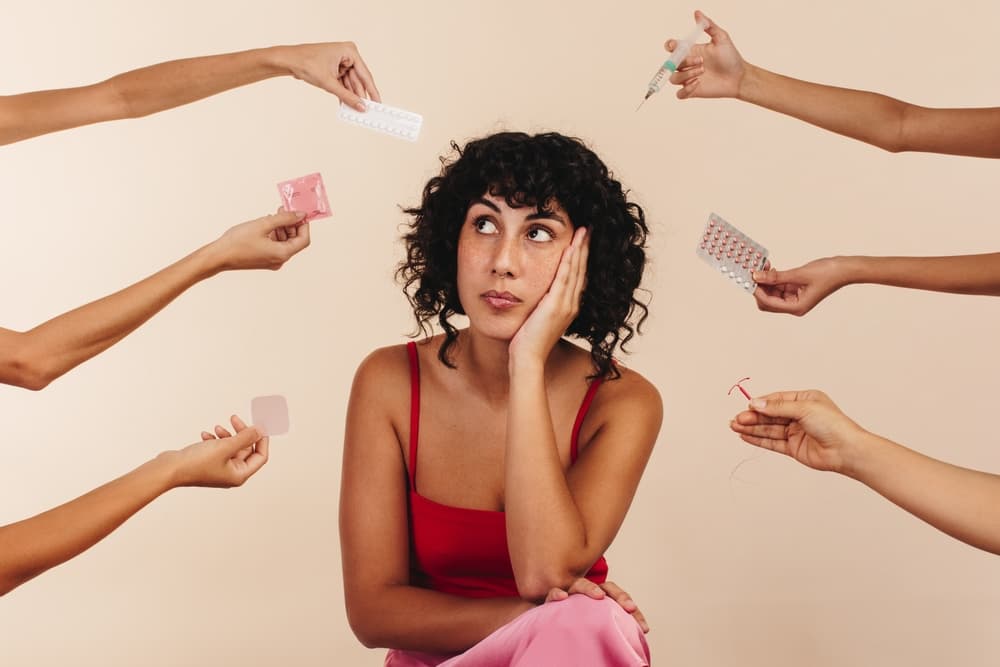
Yes, some birth control pills can lower your body's natural oestrogen production because the pill provides synthetic hormones instead. This keeps your hormone levels flat to stop you from releasing an egg, which prevents pregnancy.
Do I need HRT?
You might need HRT if your symptoms are making your daily life difficult. You can take our free online quiz at UK Meds to help you understand your symptoms, but you must always speak to a doctor to get a proper medical assessment[16].
Final Thoughts From Our Clinical Team
'Low oestrogen is a completely natural part of life for many women, but you do not have to put up with the discomfort. By understanding the signs early, protecting your bone health with good nutrition, and getting the right treatment like HRT, you can easily take control of your symptoms.'
- UK Meds Clinical Team
References & Sources
Reed BG, Carr BR. The Normal Menstrual Cycle and the Control of Ovulation. [Updated 2018 Aug 5]. In: Feingold KR, Adler RA, Ahmed SF, et al., editors. Endotext [Internet]. South Dartmouth (MA): MDText.com, Inc.; 2000-. Available from: https://www.ncbi.nlm.nih.gov/books/NBK279054/
Endometrial Hyperplasia - American College of Obstetricians & Gynecologists


Blog author


Scott Weaver
Scott is an experienced and professional content writer who works exclusively for UK Meds.

Related Blog Posts







Here to help you
Our Customer Service is available Monday to Friday 9am - 5pm. If you need urgent assistance, do not use this service. Call 111, or in an emergency call 999. Visit our help section