
What is Lube? The Complete Guide to Personal Lubricants
In One Sentence: Personal lubricant, or lube, is a liquid or gel used to reduce friction during sexual activity, enhancing pleasure, preventing micro-tears, and treating medical conditions like vaginal dryness.
Personal lubricant is a specially formulated liquid or gel designed to minimise friction during intimate moments. Many people mistakenly assume lube is only for menopausal women or those who cannot naturally lubricate. This could not be further from the truth. Lube is a healthy, normal addition to any sexual wellness routine. It increases pleasure, adds moisture, and allows for smoother movement. Whether you are using it to enhance intimacy or as a clinical treatment for vaginal dryness caused by hormonal changes, understanding the different types available is vital. You will learn the difference between water, silicone, and oil-based formulas, which ones are safe to use with condoms, and what ingredients to avoid.

Key Takeaways
What is lube used for?
Lube is used to reduce friction during sexual intercourse or masturbation. It prevents painful microscopic skin tears, enhances pleasure, and acts as a first-line treatment for medical vaginal dryness.
What is the difference between water-based and silicone lube?
Water-based lube is safe to use with all condoms and sex toys, and is easy to wash off. Silicone lube is thicker, lasts much longer without drying out, and is safe for condoms, but it can damage silicone toys.
Is lube safe to use with condoms?
Yes, but you must use the correct type. Water-based and silicone-based lubes are safe for latex condoms. You must never use oil-based lubes (like Vaseline or baby oil) with latex, as they will cause the condom to break.
What is the best lube for vaginal dryness?
For menopausal or medication-induced vaginal dryness, clinical guidelines recommend a gentle, water-based lubricant without added fragrances or high levels of glycerin, as these can irritate sensitive tissue.
Why Use Lube? (The Benefits)
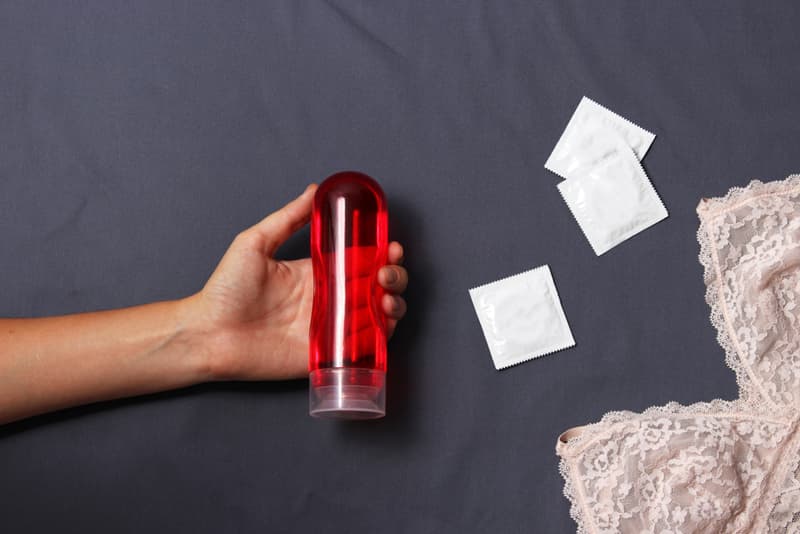
Lube is designed to increase sexual pleasure by allowing a little more glide. However, the benefits extend far beyond recreation. Applying lubricant helps to prevent uncomfortable friction that can lead to micro-tears in the delicate skin of the genitals. These microscopic tears not only cause pain but can also increase the risk of contracting sexually transmitted infections (STIs).

Furthermore, a woman's natural vaginal moisture fluctuates throughout her menstrual cycle due to shifting hormones. Having a high-quality lubricant on hand ensures comfort and pleasure, regardless of natural moisture levels.
The 3 Main Types of Lube
Choosing the right lube depends on your specific needs. Personal lubricants are categorised by their primary base ingredient: water, silicone, or oil.
Water-Based Lubricants
Water-based lubes are the most popular and versatile option. They are non-sticky, have a natural feel, and are completely safe to use with all condoms and sex toys. Because they mimic natural moisture so closely, they are ideal for everyday use. A well-known example is KY Jelly. The main drawback is that they can dry out during longer sessions, requiring you to reapply.
Silicone-Based Lubricants
If you want something thicker, richer, and longer-lasting, silicone-based lube is an excellent choice. It does not absorb into the skin or evaporate, meaning it stays slick without needing reapplication. It is also waterproof, making it suitable for use in the shower. However, silicone lube can degrade silicone sex toys and is harder to wash off with just water.
Oil-Based Lubricants
Oil-based lubricants (which include commercial products or household items like coconut oil) are very thick. While some people prefer the texture, they are generally not recommended by sexual health professionals. They are extremely difficult to clean away, and more critically, they actively destroy latex condoms.
Type of Lube | Best For | Pros | Cons | ||||
| Water-Based | Everyday use and vaginal dryness. | Safe with all condoms and toys. Very easy to wash off. | Can dry out or become sticky, requiring reapplication. | ||||
|---|---|---|---|---|---|---|---|
| Silicone-Based | Long-lasting sessions and shower use. | Waterproof and never dries out. Extremely smooth glide. | Harder to wash off. Will degrade and destroy silicone sex toys. | ||||
| Oil-Based | Solo masturbation (if skin-safe). | Extremely thick, heavy, and moisturising. | Destroys latex condoms instantly. High risk of causing bacterial infections. |
Condom Compatibility: Crucial Safety Rules
You must ensure your lube is compatible with the type of condom you are using. The NHS strictly warns that oil-based lubricants will damage latex condoms within 60 seconds.[1] This causes the condom to break, significantly increasing your risk of unintended pregnancy and STIs.
Even though most condoms come pre-lubricated, it is often not enough for prolonged comfort. Adding a few drops of a safe, compatible lube inside the tip and on the outside of the condom is highly recommended.
Medical Uses: Vaginal Dryness & Menopause
More than 30% of women experience vaginal dryness, even when they feel aroused.[2] This can occur at any age due to pregnancy, stress, or taking medications like antidepressants. Painful sex (dyspareunia) is also a very common symptom of the menopause (known as genitourinary syndrome of menopause), caused by falling oestrogen levels.[3]
UK clinical guidelines recommend water-based lubricants as a highly effective first-line treatment for this discomfort. If over-the-counter lube is not enough to resolve menopausal dryness, you should discuss Vaginal Dryness and or HRT Treatments with a medical professional.
Ingredients to Watch Out For
In the UK, many commercial personal lubricants are regulated by the MHRA as Class IIa medical devices, ensuring they are safe for internal use. However, you should still check the ingredients label if you have sensitive skin.
If you are prone to recurrent candidiasis (thrush), you should avoid lubricants containing glycerin or added sugars.[4] These ingredients can alter the natural pH of the vagina and promote yeast overgrowth, which may require thrush treatments to resolve. You should also be cautious of lubes containing numbing agents (like benzocaine), as they can mask the pain of a genuine friction injury during sex.
Medical Disclaimer: The information provided in this article is for educational purposes only and does not replace professional medical advice. Lube does not protect against pregnancy or sexually transmitted infections. If you are experiencing persistent pain during sex (dyspareunia), unexplained bleeding, or severe vaginal dryness that does not improve with lubricants, please consult your GP or visit a local NHS sexual health clinic to rule out any underlying conditions.
Frequently Asked Questions
What is lube used for?
Lube is used to minimise friction during sexual activity, making movement smoother and more comfortable. It enhances sexual pleasure, prevents painful skin micro-tears, and is used medically to treat vaginal dryness.
Is lube safe to use with condoms?
Water-based and silicone-based lubes are completely safe to use with all condoms. However, you must never use oil-based lube with latex or polyisoprene condoms, as the oil degrades the material rapidly, causing it to break.
Can you use Vaseline or baby oil as lube?
No, you should not use Vaseline, baby oil, or body lotions as personal lubricants. They will destroy latex condoms. Furthermore, because they are not designed for internal use, they trap bacteria and significantly increase the risk of vaginal infections.
Does lube prevent pregnancy or STIs?
No. Standard personal lubricant offers zero protection against pregnancy or sexually transmitted infections (STIs). You must use a barrier method, like a condom, or other suitable contraception alongside your lube.
Can lube cause thrush or BV?
Lubes containing high levels of glycerin, parabens, or artificial flavourings can sometimes trigger thrush or Bacterial Vaginosis (BV) in individuals with sensitive natural flora. If you are prone to infections, choose a glycerin-free, water-based formula.
Does lube expire?
Yes, all commercial lubricants have an expiration date printed on the bottle or tube. Using expired lube can lead to irritation or bacterial infections, as the preservatives in the formula break down over time.
Final Thoughts From Our Clinical Team
"Lube is an excellent, safe, and often necessary tool for both sexual pleasure and physical comfort. We strongly encourage our patients to view it as a staple in their wellness routine, rather than something to feel embarrassed about purchasing. For menopausal women in particular, a high-quality water-based lubricant can completely transform their comfort levels. Just remember the golden rule: if you are relying on a latex condom for protection, your lube must be water or silicone-based."
Sources and References
National Health Service (NHS) - How to use a condom. [2024]. https://www.nhs.uk/contraception/methods-of-contraception/condoms/ [Type: NHS guidance]. Accessed: 05 May 2026.
National Institute for Health and Care Excellence (NICE) - Menopause: diagnosis and management. [2015, updated 2026]. https://www.nice.org.uk/guidance/ng23 [Type: NICE guideline]. Accessed: 05 May 2026.
British Menopause Society (BMS) - Genitourinary syndrome of menopause (GSM). [2025]. https://thebms.org.uk/publications/consensus-statements/genitourinary-syndrome-of-menopause-gsm/ [Type: Clinical guideline]. Accessed: 05 May 2026.
British Association for Sexual Health and HIV (BASHH) - UK National Guideline on the Management of Vulvovaginal Candidiasis. [2019]. https://www.bashh.org/_userfiles/pages/files/resources/vvc_ijsa_pdf.pdf [Type: Clinical guideline]. Accessed: 05 May 2026.
Related Blog Posts



Related Products
Related Products
Blog author


Scott Weaver
Scott is an experienced and professional content writer who works exclusively for UK Meds.

Related Blog Posts








Here to help you
Our Customer Service is available Monday to Friday 9am - 5pm. If you need urgent assistance, do not use this service. Call 111, or in an emergency call 999. Visit our help section