EpiPen




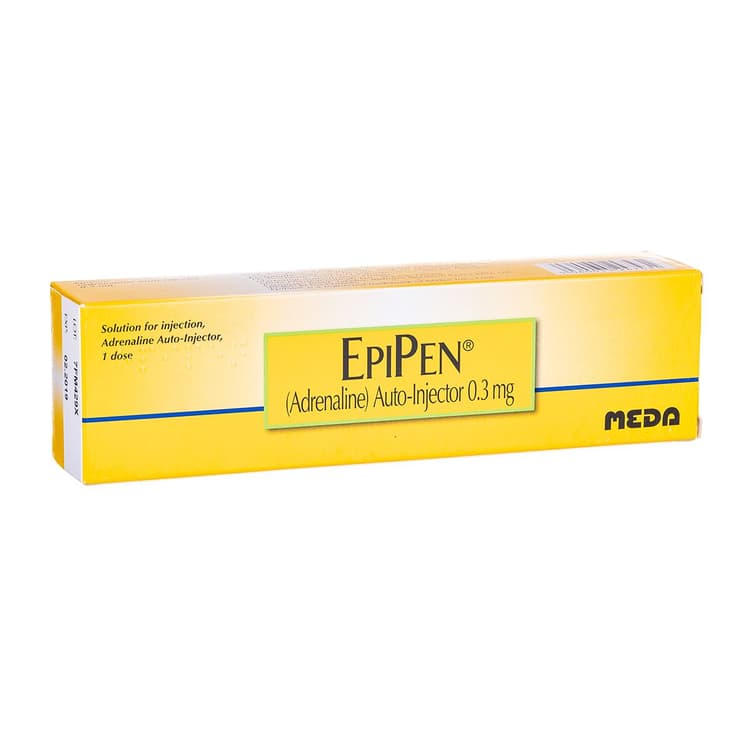


Images for illustrative purposes only
Start Your Expert Consultation
An EpiPen is an injectable emergency treatment for severe allergic reactions or anaphylaxis. It contains adrenaline (epinephrine), which is designed to be administered immediately when experiencing life-threatening allergy symptoms. In accordance with UK MHRA guidelines, patients are strongly advised to carry two adrenaline auto-injectors at all times in case a second dose is required.
- For use in emergencies
- Acts quickly to treat allergic reactions
- Easy to administer
- Genuine medication
- All drugs sourced in the UK

More information
A Doctor's Overview

GP and surgeon, Dr Shane Charles (MBBS, MRCS, PgDip SEM) provides a simple explanation of the medication below:
'EpiPen contains epinephrine and is used to treat severe, life-threatening allergic reactions.'
If you think this is a treatment that can help you, start an online consultation now for a registered prescriber to review. If treatment is deemed suitable, they can prescribe it, and we can deliver it to you from the comfort of your own home with a range of convenient delivery and payment options for you to choose from. If you have any questions about a medication, you should always consult your doctor with any questions prior to starting treatment to ensure that it is safe and suitable for you.
How do I buy Epipen online?
Buy EpiPen UK
You can safely buy an EpiPen online in the UK directly from UK Meds following a quick, free consultation. Before you purchase an EpiPen, you will need to complete an online medical questionnaire with our registered independent prescribers. This ensures that the adrenaline auto-injector is the correct and safe treatment for your specific allergy requirements.
Once your consultation is approved, our UK pharmacy will process your order and safely dispense your medication for fast, tracked delivery directly to your door.
EpiPen - Key Information
What is the EpiPen?
An EpiPen is a prescription adrenaline auto-injector used as an emergency treatment for severe allergic reactions, clinically known as anaphylaxis.[1] It contains a precise, pre-measured dose of adrenaline (also referred to as epinephrine), which helps rapidly reverse dangerous and life-threatening allergy symptoms in emergency situations. A standard adult EpiPen delivers 0.3mg of adrenaline.
How does an Epipen work?
This medication works by rapidly injecting adrenaline directly into your thigh muscle to reverse life-threatening allergy symptoms. When a severe allergic reaction occurs, your blood pressure drops dangerously low and your airways narrow. The adrenaline in the auto-injector immediately combats this by:
- Opening the airways in your lungs to improve breathing.
- Tightening your blood vessels, which raises low blood pressure back to a safe level.
- Reducing severe swelling in the face, lips, and throat.
- Reversing symptoms like extreme wheezing, hives, and severe itching.
It is prescribed to treat severe allergic reactions triggered by foods (like peanuts or shellfish), insect bites or stings, certain medicines, and severe exercise-induced allergies.
What are the benefits of using an EpiPen?
The primary benefit of an adrenaline auto-injector is its ability to provide fast-acting, lifesaving relief during an anaphylactic shock. The EpiPen acts as a lifesaving first line of defence, buying you time until professional treatment is provided. The main clinical benefits include:
- Fast-acting relief: It works almost instantly to stop life-threatening symptoms.
- Improves breathing: Rapidly clears airways and reduces wheezing.
- Prevents shock: Raises dangerously low blood pressure.
- Reduces swelling: Quickly diminishes throat tightness and facial swelling.
Crucial MHRA Guidance & Safety Advice:
- Carry Two At All Times: The Medicines and Healthcare products Regulatory Agency (MHRA) strictly advises that patients at risk of anaphylaxis must carry two adrenaline auto-injectors at all times.[2] This is in case the first device misfires, is administered incorrectly, or a second dose is clinically required while waiting for an ambulance.
- Call 999: The effects of an EpiPen only last for 10 to 20 minutes. You must still seek emergency medical help immediately after using it, even if you start to feel better.
If you or someone you know has severe allergies, carrying an EpiPen can help prevent life-threatening situations. Always follow your doctor’s advice for its proper use.
What do EpiPen users have to say?
EpiPen Reviews & Experiences
We understand that carrying emergency medication can be daunting, and reading first-hand experiences can provide peace of mind. Many patients across the UK rely on EpiPens daily as an essential safety net for severe allergies, often noting how simple and fast the device is to use during highly stressful emergencies. If you want to know how our patients rate our service and the secure dispensing of their emergency medication, we encourage you to read our verified UK Meds product reviews on Feefo.
It is important to note that people may have different experiences when they use an EpiPen. If someone states that their medication did not work as they had hoped, it does not mean that it will not work for you. If you believe that it is the right medication for you then the best thing to do is to consult your doctor or healthcare professional, and judge the medication based on your own experiences if they recommend it as a treatment. Before starting a medication you should always consult with your healthcare provider first to ensure that it is safe and suitable for your individual needs.
Patient Information Leaflet
For comprehensive clinical information, including a full list of ingredients and warnings, patients must refer to the official EpiPen patient information leaflet.
Usage Advice
How do I use an Epipen?
An EpiPen is a lifesaving injection used to treat severe allergic reactions (anaphylaxis). Always use the medication exactly as directed by your doctor and follow the directions on your prescription label. Do not use it in larger or smaller amounts, or for longer than recommended, and do not use the device if you do not understand the instructions. A helpful way to remember the correct orientation in a panic is the widely recognised medical phrase: "Blue to the sky, orange to the thigh."[3] Follow the steps below to administer it safely and effectively:
Step-by-Step Administration Guide:
- Hold the device properly: Make a fist around the EpiPen with the black/orange tip pointing down.
- Remove the safety cap: The safety cap of the injector should not be removed until you are ready to use the auto-injector. Pull off the blue safety release cap. Do not put your fingers over the tip while removing the safety cap or after the safety cap has been removed.
- Inject into the outer thigh: Place the orange tip firmly against the middle of your outer thigh (it can be administered through clothing if necessary). When giving an injection to a child or an infant, make sure to hold the leg firmly.
- Push and hold: With a quick motion, push the auto-injector firmly against the thigh until it "clicks" to activate the injection. This releases the spring-loaded needle that injects the dose of EpiPen. Hold the auto-injector in place for a few seconds after it has been activated.
- Remove and secure: Pull the EpiPen straight out and massage the injection site gently. Re-insert the used device needle-first into the carrying tube and re-cap the tube.
- Call 999 immediately: Dial for an ambulance, state "anaphylaxis," and take the tube with you to the emergency room to let the healthcare professional treating you know the exact amount of EpiPen you have been injected with. After the use of an EpiPen, seek emergency medical attention to treat the severe allergic reaction. You need to receive further treatment before the effects of epinephrine wear off in 10 or 20 minutes.
- Single Use & Disposal: Use an EpiPen auto-injector only once. If you are disposing of it yourself, throw it away in a puncture-proof container and make sure to keep this container out of the reach of children and pets.
Practice with a Trainer Pen
If you purchase an EpiPen, it may come with a trainer pen. The trainer pen contains no medicine and no needle. It is intended only for non-emergency use so you can practice how to administer an injection and get comfortable with the mechanism before a real emergency occurs.
Dosage
What is the recommended dosage?
The correct dose of adrenaline prescribed to a patient depends entirely on their body weight.[4] Your prescriber will carefully evaluate your details during your online consultation to ensure you receive the correct device.
| Patient Body Weight | Recommended Product | Adrenaline Dose |
|---|---|---|
| 30 kg or more (Adults & Older Children) | EpiPen (Standard) | 0.3 mg |
| 15 kg to 30 kg (Young Children) | EpiPen Jr | 0.15 mg |
Always follow your doctor’s advice to ensure the correct dosage for your situation. If you’re unsure, speak to your healthcare provider for guidance.
Side Effects
What side effects can an EpiPen have?
An EpiPen is a lifesaving treatment for severe allergic reactions. However, because adrenaline rapidly stimulates your cardiovascular system, it can cause some temporary physical reactions as it enters your bloodstream. Always speak to your doctor if you notice any unusual symptoms, especially after your first injection.
Common Side Effects Include:
- A fast, irregular, or pounding heartbeat (palpitations).
- Breathing problems.
- Feeling dizzy, restless, anxious, or nervous.
- A throbbing headache.
- Nausea, vomiting, or sweating.
- Pale skin and bodily weakness or tremors.
Because this medication is used during a medical emergency, you will be assessed by paramedics shortly after use, who will monitor your heart rate and breathing to ensure these side effects pass safely. Call your doctor immediately if you notice any pain, swelling, redness, warmth, or other signs of infection around the area where the injection was given. Before using EpiPen after the first injection, call your doctor if the first injection caused a side effect such as increased difficulty of breathing, or dangerously high blood pressure.
A pharmacist's overview of the side effects of this medication and how to manage them:

Senior Specialist Pharmacist, Dania Al-Zarrad, provides a simple explanation of the common side effects of the medication and how you can manage them:
'Can cause palpitations, anxiety and tremor, with rare arrhythmias; use only for anaphylaxis and seek immediate care after use. Monitor blood pressure and ecg.'
Warnings & Precautions
Pre-existing Conditions: Before using an EpiPen, inform your doctor if you have any allergies or a history of heart disease, coronary artery disease, a heart rhythm disorder, high blood pressure, diabetes, Parkinson’s disease, or an adrenal/thyroid gland disorder. You should also tell your doctor if you are pregnant or are planning to get pregnant, although it is not established if an EpiPen could harm an unborn baby.
Check Expiry Dates Regularly: Adrenaline has a relatively short shelf life and degrades over time. You must check the viewing window on your EpiPen regularly. Do not use your EpiPen if it has changed colours or if you observe any particles in it. Also, do not use the EpiPen if it is past its expiration date; ask your doctor to write a new prescription.
Medicine Interactions
Let your prescribing doctor know about all medicines you are currently taking (including those you start or stop using during your treatment), especially:
- Diuretics (water pills) and beta-blockers.
- Heart rhythm medications (like digoxin).
- Antidepressants or MAO inhibitors.
- Thyroid medications (levothyroxine).
- Cold or allergy medicines containing antihistamines.
- Ergot-based medicines.
Other prescription drugs, over-the-counter medicines, vitamins, or natural herbal products could interact with adrenaline, so full transparency during your consultation is vital. If you experience severe side effects or are unsure about anything, seek medical help straight away.
UK Meds Resource Hub For Severe Allergies
If you want to learn more about staying safe with severe allergies, we have put together some simple guides for you. These easy-to-read articles will help you understand your body and how to use your medication properly:
Find out exactly what an adrenaline auto-injector is and how it helps keep you safe during a severe allergic reaction.
Learn the correct and easiest steps to safely inject your medicine if you ever find yourself in an emergency.
Discover which everyday medicines and tablets you need to stay away from if you have a dangerous peanut allergy.
Read our top tips for spotting the signs of hay fever and protecting yourself when the pollen count gets high.
Clinical Sources & References
To make sure all the medical information on this page is perfectly safe and correct, we used the following trusted UK health experts:
Our Commitment to Content Accuracy
UK Meds is committed to providing clear, accurate and up-to-date medical information in line with our Editorial Policy and Content Policy. All content is regularly reviewed to help you make informed decisions before starting a consultation with a registered prescriber.
Medical Disclaimer: The information on this page is not a substitute for medical advice. Always speak to a doctor, pharmacist or healthcare professional before beginning any treatment.
Page Last Updated: 2nd April 2026


Here to help you
Our Customer Service is available Monday to Friday 9am - 5pm. If you need urgent assistance, do not use this service. Call 111, or in an emergency call 999. Visit our help section