
Is Water-Based Lube Sperm Friendly? A Guide for TTC
In One Sentence: While standard water-based lubricants are safe for everyday use, they are not sperm friendly because their high acidity and salt levels can severely hinder sperm motility when you are trying to conceive.

Standard water-based lubricant is not sperm friendly. If you are actively trying to conceive, reaching for your everyday lube could be accidentally harming your chances of getting pregnant. While water-based lubricants are excellent for general sexual wellbeing and condom safety, their chemical makeup is naturally hostile to sperm cells. You will learn exactly why the pH and osmolality of standard lubes stop sperm from swimming, and what makes a lubricant officially 'fertility-friendly'. We will also explore why the stress of scheduled intercourse often leads to vaginal dryness, why natural alternatives like saliva are dangerous for conception, and how to choose the right scientifically backed products in the UK to support your fertility journey.
Key Takeaways
Is water-based lubricant sperm friendly?
No, standard water-based lubricants are not sperm friendly. They are too acidic and have the wrong salt balance, which can damage sperm cells or stop them from swimming toward the egg.
Does normal lube kill sperm?
Normal lube does not technically 'kill' sperm on contact like a chemical spermicide, but it severely damages their motility. This effectively traps the sperm and stops them from reaching the egg.
What is the best lube for trying to conceive?
The best lubricants for trying to conceive are explicitly labelled as 'fertility-friendly'. These specialised formulas are carefully pH-balanced to mimic fertile cervical mucus and protect sperm health.
Can I use saliva as lube when trying to get pregnant?
No, you should never use saliva as a lubricant when trying to conceive. Saliva contains digestive enzymes that actively break down and damage sperm.
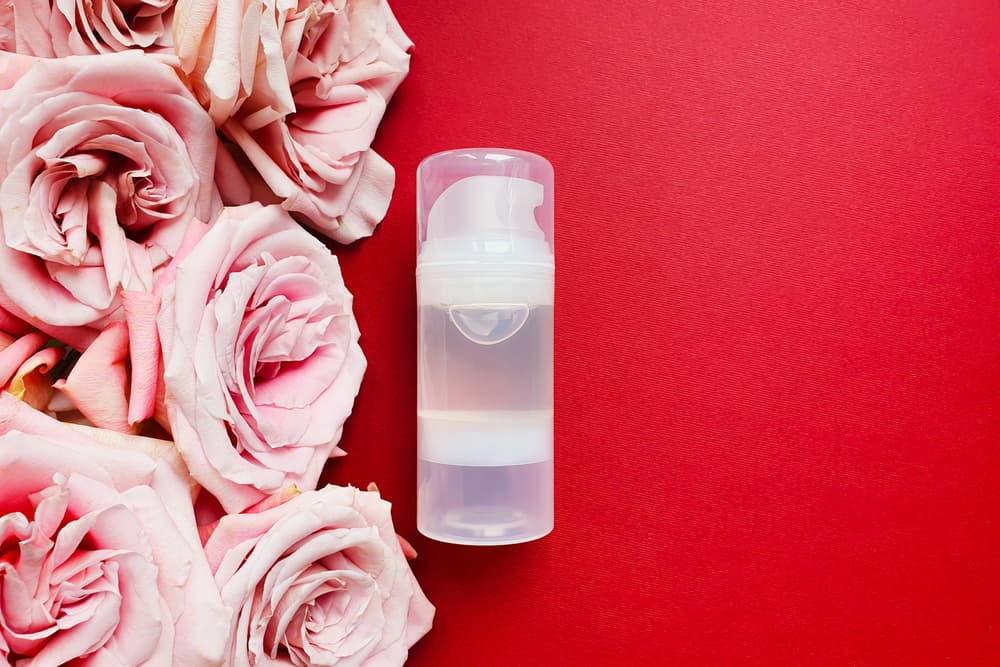
Does Standard Water-Based Lube Kill Sperm?
Yes, standard water-based lubricants severely harm sperm motility and viability. While they are completely safe for everyday sexual activity and perfectly compatible with condoms, their chemical environment is not designed for conception. If you are trying for a baby, these regular lubricants create a harsh barrier that stops sperm from functioning correctly.
The Science: pH and Osmolality Explained
The vagina is naturally acidic to prevent infections. However, during your fertile window, your cervical mucus becomes much more alkaline to protect and nourish sperm. The ideal pH for sperm to survive and swim is between 7.0 and 8.5.[1] Standard water-based lubes typically have a pH of 4.0 to 5.0, making them far too acidic for sperm to endure.
Additionally, regular lubes have the wrong osmolality. Osmolality refers to the balance of salt and water in a liquid. Standard lubricants pull water out of the sperm cells, causing them to shrivel up, lose their energy, and stop swimming entirely.
What Makes a Lubricant 'Fertility-Friendly'?
A fertility-friendly lubricant is scientifically formulated to mimic the body's natural fertile cervical mucus. This ensures that the gametes are protected rather than harmed during intercourse.
Feature | Standard Water-Based Lube | Fertility-Friendly Lube | |||
| pH Level | 4.0 to 5.0 (Highly acidic) | 7.0 to 8.5 (Alkaline, matching fertile mucus) | |||
|---|---|---|---|---|---|
| Osmolality | High salt imbalance dehydrates cells | Isotonic balance protects cell structure | |||
| Key Ingredients | Often contains glycerin or parabens | Contains calcium and magnesium ions | |||
| Effect on Sperm | Damages motility and viability | Protects and supports swimming ability |
To pass the strict criteria for a fertility lubricant, the product must maintain the perfect pH and osmolality. Furthermore, high-quality sperm-safe lubes add calcium and magnesium ions. These specific ions are crucial for supporting sperm motility, giving them the vital energy required to travel towards the egg.
Vaginal Dryness and Trying to Conceive
Trying for a baby can quickly become emotionally and physically stressful. Studies suggest that up to 75% of couples trying to conceive experience increased vaginal dryness.[2] The pressure of timed, scheduled intercourse can cause performance anxiety, which significantly reduces natural lubrication. Using a safe lubricant is often a medical necessity to ensure comfort, rather than just an optional extra.
Can You Use Saliva or Household Oils?
You must strongly avoid using saliva or household products as a quick fix for vaginal dryness. Saliva contains digestive enzymes that actively break down sperm and drastically reduce their ability to swim.[3] Household oils, such as baby oil or Vaseline, create a thick barrier that traps sperm. Furthermore, these oils significantly increase your risk of developing painful vaginal infections.
How to Choose a Sperm-Safe Lube in the UK
When shopping for a lubricant to help you conceive, you must look beyond standard water-based options. You should choose fertility-friendly products that are clinically tested to be safe for gametes. Products like Conceive Plus fertility lubricant or Babystart Fertilsafe Plus Lubricant are explicitly designed for this exact purpose. You can explore the full range of safe options in the fertility aids section to ensure you are supporting your fertility journey safely.
Medical Disclaimer: The information provided in this article is for educational purposes only and does not replace professional medical advice. Using a fertility-friendly lubricant does not increase your chances of getting pregnant or cure underlying infertility; it simply ensures you do not hinder sperm motility. If you have been trying to conceive through regular unprotected sex for over a year (or six months if you are over 35) without success, please consult your GP or a fertility specialist for tailored medical advice.
Frequently Asked Questions
Does Durex lube kill sperm?
Standard Durex water-based lubricants are not designed for trying to conceive and can harm sperm motility due to their acidic pH levels. However, they are not a reliable contraceptive and do not kill sperm effectively enough to prevent pregnancy.
Can I use saliva as lube when trying to get pregnant?
No, you should avoid using saliva. Human saliva contains specific digestive enzymes that are highly harmful to sperm cells, significantly reducing their ability to survive and swim towards the egg.
What is the ideal pH for sperm to survive?
Sperm cells thrive in a slightly alkaline environment. The ideal pH for sperm to survive and remain fully motile is between 7.0 and 8.5, which perfectly mimics natural fertile cervical mucus.
Does lube cause infertility?
Everyday lubricants do not cause permanent infertility or damage your reproductive system. However, standard lubes can temporarily stop sperm from reaching the egg during the specific time they are used.
Is water-based lubricant sperm friendly?
Standard water-based lubricant is not sperm friendly. You must look for specific 'fertility-friendly' water-based lubricants that have been clinically balanced to protect sperm health and motility.
Final Thoughts From Our Clinical Team
"Trying to conceive can be an emotionally taxing journey, and the pressure of scheduled intimacy often makes vaginal dryness a very real, completely normal hurdle. The last thing you want is for your chosen lubricant to accidentally work against you. By swapping your standard water-based lube for a clinically proven, pH-balanced fertility lubricant, you can alleviate discomfort while creating the optimal biological environment for sperm to thrive. If you are feeling overwhelmed by the process, remember that medical support and erectile dysfunction resources are always available to help ease the pressure."
Sources and References
World Health Organisation (WHO) - WHO laboratory manual for the examination and processing of human semen. [2021].https://www.who.int/publications/i/item/9789240030787 [Type: Clinical guideline]. Accessed: 05 May 2026.
British Fertility Society - A Guide To Fertility. [2019]. https://www.britishfertilitysociety.org.uk/wp-content/uploads/2019/10/A-Guide-to-Fertility-29-10-19.pdf [Type: Charity guidance]. Accessed: 05 May 2026.
National Institute for Health and Care Excellence (NICE) - Fertility problems: assessment and treatment (CG156). [2013, updated 2017]. https://www.nice.org.uk/guidance/cg156 [Type: NICE guideline]. Accessed: 05 May 2026.
Related Blog Posts


Related Products
Related Products
Blog author


Scott Weaver
Scott is an experienced and professional content writer who works exclusively for UK Meds.

Related Blog Posts







Here to help you
Our Customer Service is available Monday to Friday 9am - 5pm. If you need urgent assistance, do not use this service. Call 111, or in an emergency call 999. Visit our help section