NEW: Oral weight loss support now available here

Scott Weaver
Updated at: March 24, 2026 · 7 min read
How to Cure High Blood Pressure in 3 Minutes
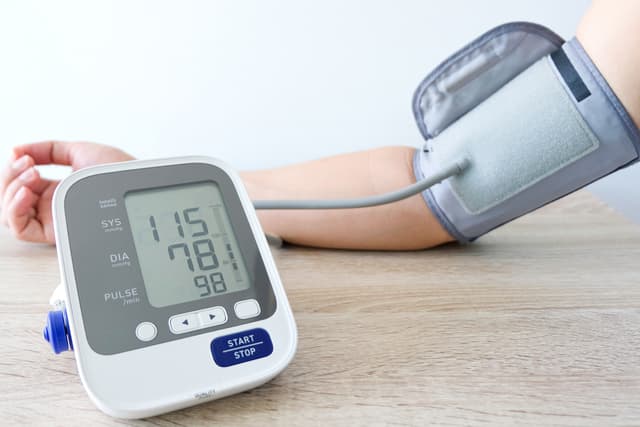
High blood pressure is a common issue in the UK, and many people search for quick ways to lower it when readings suddenly rise. This article explains what can and cannot be achieved in three minutes, outlines techniques that may lower a temporary spike in blood pressure, explores natural methods that can help quickly and clarifies the difference between short-term lowering and long-term control using lifestyle changes and prescribed treatment.
In One Sentence:
High blood pressure cannot be permanently cured in three minutes, but certain breathing, muscle-relaxation, and relaxation techniques can help quickly lower a sudden spike, while long-term control requires ongoing management.
Key Takeaways
Here are the five biggest takeaways from this article about “curing” high blood pressure in 3 minutes:
Can high blood pressure be cured in three minutes? No, but short-term techniques may reduce a temporary rise.
What works fastest for a sudden spike? Slow breathing and isometric muscle exercises can lower readings within minutes.
Are natural methods effective? Some natural approaches may support short-term reductions when used safely.
Is long-term control different from a quick fix? Yes, lasting improvements rely on lifestyle changes and, in some cases, medication.
Should medication be stopped if blood pressure improves? No, any changes to treatment should be guided by a clinician.

The 3-Minute "Cure": How to Lower a Spike Instantly
The idea of a three-minute “cure” refers to calming the body during a temporary blood pressure rise rather than reversing long-standing hypertension.
Blood pressure can rise quickly due to stress, anxiety, pain or exertion. Calming the nervous system can help bring it down. Techniques that slow breathing or gently engage muscles can activate the parasympathetic nervous system, supporting relaxation and reducing vascular tension.
The 4-7-8 Breathing Technique
The 4-7-8 breathing technique is a slow breathing method that can help reduce stress-related increases in blood pressure within minutes.
Research has shown that controlled breathing can influence heart rate and nervous system balance, which may support short-term blood pressure reductions when stress is a trigger [1] [2] [3].
How To Do It:
Exhale completely through your mouth, making a whooshing sound.
Close your mouth and inhale quietly through your nose to a count of 4.
Hold your breath for a count of 7.
Exhale completely through your mouth, making a whoosh sound to a count of 8.
Repeat this cycle three or four times.
Why It Works
This technique slows breathing and reduces sympathetic nervous system activity.
By extending the exhale and introducing breath holds, the body receives signals associated with calm and safety, which may help lower heart rate and reduce pressure within blood vessels.
Isometric Exercises: The "Towel Squeeze" Method
Isometric exercises involve contracting muscles without movement and can lead to short-term reductions in blood pressure.
Studies have found that sustained hand grip exercises can improve vascular function and reduce blood pressure, particularly when performed regularly, with some effect noticeable shortly after completion [4] [5].
How To Do It:
Grab a stress ball, a rolled-up towel or a hand gripper.
Squeeze it with one hand at about 30% of your maximum effort.
Hold the squeeze for two minutes.
Rest for one minute, then switch hands.
This gentle muscle contraction encourages blood vessels to adapt and may briefly reduce blood pressure after release, especially in people with mild hypertension.
5 Natural Ways to Drop Blood Pressure Fast
Drink a Glass of Water
Drinking water can help support circulation and may temporarily influence blood pressure.
Mild dehydration can contribute to higher readings, and research suggests that water intake may cause a short-term regulatory response in blood pressure, particularly in people who are sensitive to fluid changes [6].
Lie Down (Shavasana)
Lying flat on your back and focusing on relaxation can reduce physical and mental stress.
This position (known as shavasana in yoga) counteracts the effects of gravity, while calm breathing can also help reduce stress-related changes in blood pressure.
Warm Water Soak
Soaking in warm water may help relax muscles and improve circulation.
Evidence suggests that being in warm water can cause blood vessels to widen, reducing vascular resistance and supporting lower blood pressure readings after exposure [7] [8] [9].
Eat Dark Chocolate
Dark chocolate contains flavanols that can support blood vessel function.
Research indicates that consuming small amounts of dark chocolate with a high cocoa content may lead to small reductions in blood pressure due to improved nitric oxide availability in the endothelium [10].
Acute Stress Management
Managing stress in the moment can reduce sudden increases in blood pressure.
Acute stress activates hormonal pathways that raise blood pressure. Studies show that techniques such as mindfulness, breathing exercises and guided relaxation can reduce this response [11].

The Difference Between "Curing" and "Managing"
Understanding the difference between curing and managing high blood pressure is essential for long-term health.
While short-term techniques may lower a spike, hypertension is usually a chronic condition that benefits from consistent management rather than quick fixes.
Lifestyle "Cures" (The Long Game)
Lifestyle changes can significantly reduce blood pressure over time and may remove the need for medication in some people under medical supervision.
Reduce Sodium
Lowering salt intake helps reduce fluid retention and vascular tension.
In the UK, reducing processed foods and checking labels for salt content can help lower blood pressure over weeks and months.
Increase Potassium
Increasing dietary potassium can help balance sodium levels and support vascular health.
Research suggests that higher potassium intake is associated with lower blood pressure, particularly when sodium intake is also reduced [12] [13]. Foods such as bananas, spinach, beans and potatoes are common sources.
Lose Weight
Weight loss can lead to meaningful reductions in blood pressure.
Even modest weight loss can reduce strain on the heart and blood vessels, improving blood pressure control and overall cardiovascular risk.
Medical Management
Medical treatment is often required when lifestyle changes alone are not sufficient.
ACE Inhibitors
ACE inhibitors (such as ramipril) work by relaxing blood vessels and reducing fluid volume.
They are commonly prescribed in the UK and are effective for long-term blood pressure control when taken as directed.
Calcium Channel Blockers
Calcium channel blockers (such as amlodipine) help prevent blood vessels from narrowing.
They are often used when other medications are not suitable or in combination with other treatments.
Diuretics
Diuretics (such as indapamide) help the body remove excess salt and water.
By reducing blood volume, they lower pressure within the blood vessels and are usually used as part of a combination therapy.
Final Thoughts
Lowering high blood pressure in three minutes is about calming a temporary rise rather than curing the condition itself. Breathing techniques, gentle muscle exercises and relaxation methods can help reduce stress-related spikes and may be useful alongside medical advice.
Long-term improvement depends on sustained lifestyle changes and appropriate treatment guided by a healthcare professional, which supports safer, more stable blood pressure control.
Sources
[3] Acute effects of the 4-4-8 breathing technique on arterial stiffness in healthy young men - PubMed
[5] Exercise training for blood pressure: a systematic review and meta-analysis - PubMed
[6] The pressor response to water drinking in humans : a sympathetic reflex? - PubMed
[11] Examining the short-term anxiolytic and antidepressant effect of Floatation-REST - PubMed
[13] Blood Pressure Control Should Focus on More Potassium: Controversies in Hypertension - AHA Journals
Related Blog Posts

Blog author


Scott Weaver
Scott is an experienced and professional content writer who works exclusively for UK Meds.
Content last updated:



Here to help you
Our Customer Service is available Monday to Friday 9am - 5pm. If you need urgent assistance, do not use this service. Call 111, or in an emergency call 999. Visit our help section