
Scott Weaver
Updated at: March 24, 2026 · 6 min read
A Beginner’s Guide To Qlaira: What is it used for & why?
Qlaira is a prescription-only combined oral contraceptive pill that contains two hormones, estradiol valerate (a form of oestrogen) and dienogest (a type of progestogen). It is used primarily to prevent pregnancy and to manage heavy menstrual bleeding. This article explains how Qlaira works, how effective it is, who can use it and what alternatives are available.
In One Sentence:
Qlaira is a combined oral contraceptive pill used to prevent pregnancy and treat heavy menstrual bleeding by regulating hormone levels throughout the menstrual cycle.
Key Takeaways
Here are the five biggest takeaways from this article about Qlaira and what it is used for:
Qlaira is a combined hormonal contraceptive containing estradiol and dienogest.
It is highly effective at preventing pregnancy when taken correctly.
Qlaira also treats heavy menstrual bleeding in women who want to use hormonal contraception.
The pill is taken daily in a specific sequence of coloured tablets that reflect changing hormone levels.
While generally well-tolerated, Qlaira may cause side effects and is not suitable for everyone.

What is Qlaira used for?
Qlaira is a type of combined oral contraceptive that protects against pregnancy. It works by delivering controlled doses of the hormones estradiol and dienogest throughout the month, which prevent ovulation and alter the uterine lining to reduce the likelihood of conception [1].
In addition to contraception, Qlaira is also used for the treatment of heavy menstrual bleeding in women who want oral contraception. It can help regulate periods, make bleeding lighter and shorter, and reduce menstrual pain.
How effective is Qlaira at preventing pregnancy?
Qlaira is highly effective when taken correctly. Like other combined pills, success depends on consistent use without missing doses. Clinical studies have shown that Qlaira has a very low failure rate, with a Pearl Index of less than 1, meaning fewer than one pregnancy per 100 women each year when used properly [2] [3].
This level of effectiveness is comparable to other combined oral contraceptives. The results of several studies demonstrate a high rate of contraceptive reliability and user satisfaction.
How effective is Qlaira at treating heavy menstrual bleeding?
Qlaira is also prescribed to treat heavy menstrual bleeding in women who prefer a hormonal method of contraception. Research shows that women taking Qlaira experienced significant reductions in menstrual blood loss, sometimes by more than 80% after a few cycles of use [4] [5].
As well as lighter bleeding, users often report improvements in iron and ferritin levels, helping to prevent or correct iron deficiency caused by heavy periods.
These benefits are achieved whilst also providing protection against unwanted pregnancy, making Qlaira a dual-purpose option.
How does it work?
Qlaira works by mimicking the natural hormonal changes of the menstrual cycle. Each pack contains 28 tablets in different colours, which are taken daily in a specific order. The tablets contain varying doses of estradiol and dienogest.
Estradiol is a synthetic version of oestrogen that closely resembles the body’s natural hormone, while dienogest is a type of progestogen. Together, they prevent ovulation (the release of an egg), thicken cervical mucus to make it more difficult for sperm to reach the egg, and thin the lining of the womb to reduce the likelihood of implantation.
This helps maintain a more natural hormonal rhythm, which can lead to fewer hormonal side effects for some women compared to traditional combined pills.
How to take Qlaira for the first time
When starting Qlaira, you should take one tablet every day, following the order on the blister pack. The tablets are colour-coded to indicate the hormone levels they contain. It is important to take them in the correct sequence without skipping days.
If you are not currently using another hormonal contraceptive, you should start Qlaira on the first day of your period. This ensures immediate protection against pregnancy. Each pack contains 28 tablets, and once you finish one pack, you should start the next pack the very next day, without a break.
If you miss a tablet, refer to the patient information leaflet for guidance on what to do. Missing tablets or taking them at inconsistent times can reduce Qlaira’s effectiveness.
What are the common side effects of using Qlaira?
Like all hormonal contraceptives, Qlaira can cause side effects, though not everyone will experience them. The most common side effects include:
Headaches
Breast tenderness
Nausea
Irregular bleeding
Mood changes
Mild weight fluctuations
Some women may notice temporary spotting or breakthrough bleeding during the first few months, but this usually settles as the body adjusts to the hormones. Less common side effects may include:
Changes in libido
Acne
Fluid retention
A more serious but rarer side effect is blood clotting. The risk of clotting is slightly higher for people with certain health conditions or risk factors such as smoking, obesity, or a family history of clotting disorders. Always discuss your medical history with your healthcare provider before starting Qlaira.
Who can use Qlaira?
Qlaira is suitable for most healthy women, particularly those who need both contraception and management of heavy periods. However, it is not recommended for everyone.
Women who are pregnant, breastfeeding, or over the age of 35 and smoke should avoid Qlaira. It may also not be suitable if you have a history of blood clots, certain heart conditions, severe liver disease, unexplained vaginal bleeding, or hormone-sensitive cancers.
It is vital that you consult with a healthcare professional before you begin using Qlaira.
What are the alternatives to Qlaira?
If Qlaira is not suitable, there are several other contraceptive options to consider. Alternative combined pills include:
The options contain different combinations of oestrogen and progestogen.
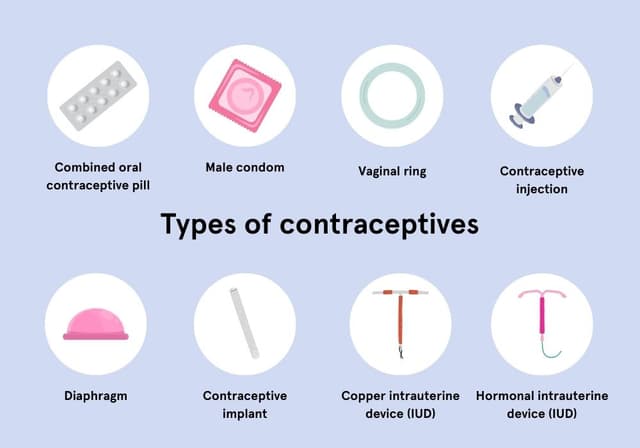
For people who cannot take oestrogen, progestogen-only options such as Cerazette (the mini pill) and alternative contraceptives such as injections, implants, or the coil may be recommended. Non-hormonal methods, including the copper coil or barrier methods like condoms, are also available.
Each method has its own advantages and possible side effects, so your choice will depend on your individual needs.
Final Thoughts
Qlaira is a combined oral contraceptive that offers both effective pregnancy prevention and relief from heavy menstrual bleeding. Its combination of hormones provides reliable contraception and can improve menstrual comfort and regularity.
While it is generally well tolerated, it may not be suitable for everyone, and side effects or health risks should be discussed with a healthcare professional. With proper use and guidance, Qlaira can be a good option for women seeking hormonal contraception with added menstrual benefits.
Sources
[1] Qlaira film-coated tablets - Patient Information Leaflet (PIL) - (emc) | 6536
[4] Novel oral contraceptive for heavy menstrual bleeding: estradiol valerate and dienogest - PMC




Blog author


Scott Weaver
Scott is an experienced and professional content writer who works exclusively for UK Meds.

Related Blog Posts










Here to help you
Our Customer Service is available Monday to Friday 9am - 5pm. If you need urgent assistance, do not use this service. Call 111, or in an emergency call 999. Visit our help section