NEW: Oral weight loss support now available here

Scott Weaver
Updated at: September 21, 2026 · 19 min read
7-Day Diet Plan For High Blood Pressure: An Evidence-Based UK Guide
A 7-day diet plan can provide a practical starting point for people looking to manage high blood pressure through healthier food choices, particularly when combined with professional medical advice. High blood pressure, also known as hypertension, affects many UK adults and can increase the risk of serious cardiovascular health problems if it is not managed effectively. This guide explores how evidence-based dietary approaches, including the DASH diet and the NHS Eatwell Guide, can support blood pressure management through a balanced, low-salt diet.
This UK-focused meal plan explains how nutrients such as potassium, magnesium, calcium and dietary fibre may support healthier blood pressure levels. It also looks at why changing your diet does not mean eating bland food or making an overnight overhaul of your routine. Instead, small sustainable changes can create meaningful improvements over time.
The article covers what foods to include, how much salt to aim for, how quickly dietary changes may work and how a healthy diet fits alongside prescribed treatment. It provides a practical starting point for people who have received a high blood pressure diagnosis or want to improve their lifestyle as part of cardiovascular risk reduction.
In One Sentence:
A diet for high blood pressure focuses on the DASH diet and NHS Eatwell Guide principles by reducing salt to under 6g a day while increasing potassium-rich fruit and vegetables, wholegrains, low-fat dairy and oily fish as part of a 7-day plan.
Key Takeaways
What is the best diet for high blood pressure?
The DASH diet and NHS Eatwell Guide provide an evidence-based approach that focuses on fruit and vegetables, wholegrains, low-fat dairy and lower salt intake.
How much salt is allowed?
Adults should aim for no more than 6g of salt a day, which is around one teaspoon, including salt already found in everyday foods.
Which nutrients help most?
Potassium, magnesium, calcium and fibre from foods such as vegetables, fruit, beans, pulses and wholegrains can support healthier blood pressure levels.
How fast does it work?
Dietary changes can begin to influence blood pressure within around two weeks, although results vary depending on starting readings and consistency.
Does it replace medication?
A healthy diet does not replace prescribed medicine but works alongside prescribed treatment to support long-term blood pressure management.
Is a low-salt substitute safe for everyone?
Potassium-based salt substitutes may not be suitable for people with kidney problems or those taking certain medicines, so advice should be sought before use.
What is the best diet for high blood pressure?
The best diet for high blood pressure is a balanced dietary pattern that follows the principles of the DASH diet, the Dietary Approaches to Stop Hypertension approach, while also aligning with the NHS Eatwell Guide.
The DASH diet is one of the most researched eating patterns for supporting healthy blood pressure levels. It encourages eating more fruit and vegetables, wholegrains, low-fat dairy products, beans, pulses, nuts, seeds and oily fish while reducing foods high in salt, saturated fat and added sugars.
A diet that keeps salt under 6g a day can support blood pressure control because sodium influences fluid balance in the body. Reducing excess sodium intake may help improve sodium excretion through the kidneys, reduce fluid retention and support healthier arterial pressure.
The nutrients found in a DASH-style diet may also support the biological processes involved in blood pressure regulation. Potassium can help balance sodium levels, magnesium supports normal muscle and blood vessel function, and calcium plays a role in healthy blood vessel contraction and relaxation.
According to the British Heart Foundation, more than one in four adults in the UK have high blood pressure, with around 5 million people estimated to be living with undiagnosed hypertension. High blood pressure is also linked to around half of heart attacks and strokes [1].
The British Heart Foundation highlights that high blood pressure is generally diagnosed when readings are above 140/90 mmHg in a clinical setting or 135/85 mmHg when measured at home. Its guidance on the DASH diet also explains that a lower-sodium version of the DASH eating pattern may provide further blood pressure benefits [2].
The best diet is not about removing every enjoyable food. It is about creating a sustainable dietary pattern that supports heart health through repeated choices.
A simple example may be adding an extra portion of vegetables to dinner, switching white bread for wholemeal alternatives or including a tin of sardines as a convenient source of oily fish. These small repeated choices can create measurable improvements in blood pressure over a few weeks.
“There is no list of banned foods when following a DASH-style pattern. The focus is on what you add to your meals. An extra portion of vegetables, a switch to wholemeal options or including foods such as sardines can all contribute to healthier habits. Small changes repeated consistently can lead to a measurable fall in blood pressure over time.”
Your 7-day Diet Plan for High Blood Pressure
This 7-day diet plan provides a flexible UK meal plan based on British ingredients and lower-salt options that follow healthy eating principles.
The plan is a template rather than a strict prescription. Portion sizes should be adapted depending on your nutritional needs, activity levels, medical history and advice from a healthcare professional.
Day 1
Breakfast:
Porridge made with semi-skimmed milk topped with berries and unsalted nuts
Lunch:
Wholemeal bread sandwich with grilled chicken, salad leaves and reduced-salt filling
Dinner:
Grilled salmon with brown rice and steamed vegetables
Snack options:
Low-fat yoghurt or fresh fruit
Day 2
Breakfast:
Wholemeal toast topped with avocado and a poached egg
Lunch:
Homemade vegetable and bean soup with an oatcake
Dinner:
Chickpea and vegetable curry served with quinoa
Snack options:
Unsalted nuts or fruit
Day 3
Breakfast:
Low-fat yoghurt with oats, fruit and seeds
Lunch:
Jacket potato with beans and a side salad
Dinner:
Mackerel with wholegrain pasta and vegetables
Snack options:
Fresh fruit or unsalted popcorn
Day 4
Breakfast:
Porridge with banana and cinnamon
Lunch:
Wholemeal wrap with hummus, vegetables and lean protein
Dinner:
Lentil casserole with brown rice
Snack options:
Oatcakes with a low-fat topping
Day 5
Breakfast:
Wholemeal toast with low-fat spread and fruit
Lunch:
Quinoa salad with beans, vegetables and seeds
Dinner:
Grilled chicken with roasted vegetables and wholegrain couscous
Snack options:
Low-fat yoghurt or fruit
Day 6
Breakfast:
Overnight oats with berries and low-fat yoghurt
Lunch:
Vegetable omelette with wholemeal bread
Dinner:
Sardines with baked potato and vegetables
Snack options:
Unsalted nuts or oatcakes
Day 7
Breakfast:
Porridge with fruit and seeds
Lunch:
Bean and vegetable salad with wholemeal bread
Dinner:
Salmon or another oily fish with brown rice and vegetables
Snack options:
Fresh fruit, unsalted nuts or low-fat yoghurt
Across the week, the aim is to include at least five portions of fruit and vegetables daily while increasing wholegrains, beans and pulses. Oily fish such as salmon, mackerel and sardines can provide omega-3 fatty acids, while foods such as low-fat yoghurt and semi-skimmed milk provide calcium.
This approach supports a realistic long-term routine rather than a short-term restrictive diet. It can be adjusted according to preferences, budget, cooking ability and individual health needs.
Which food groups help lower blood pressure?
The main food groups for lower blood pressure are those that provide potassium, magnesium, calcium and fibre while helping to reduce excess sodium intake.
A balanced diet based on guidance from the British Dietetic Association includes plenty of vegetables and fruit, wholegrains, low-fat dairy products, beans, pulses, nuts, seeds and sources of plant protein. These foods provide nutrients that support normal blood vessel function and may help maintain healthier blood pressure levels [3].
Fruit and Vegetables
Fruit and vegetables are particularly important because they provide potassium, which helps regulate sodium balance in the body. Potassium-rich foods include leafy greens, bananas, tomatoes, potatoes, beans and pulses. Research has found that higher potassium intake is associated with a reduction in systolic blood pressure among people with hypertension [4].
Wholegrains
Wholegrains such as oats, brown rice and wholemeal bread provide dietary fibre, which supports overall cardiovascular health. Fibre can also help improve cholesterol levels and contribute to a healthy weight when included as part of a balanced diet.
Low-Fat Dairy
Low-fat dairy products such as semi-skimmed milk and low-fat yoghurt provide calcium, which is involved in healthy blood vessel regulation. Beans, pulses, nuts and seeds provide magnesium, fibre and plant-based protein, making them useful alternatives to foods higher in saturated fat.
Oily fish such as salmon, mackerel and sardines can also form part of a heart-friendly diet. These foods contain omega-3 fatty acids, which support healthy blood vessel function and contribute to cardiovascular health.
The British Dietetic Association guidance on diet and hypertension recommends focusing on an overall healthy dietary pattern rather than relying on one individual food. The combination of nutrients across a varied diet is what creates the greatest potential benefit.
Day | Breakfast | Lunch | Dinner |
| Monday | Porridge with raspberries and walnuts | White bean salad | Grilled salmon with new potatoes and asparagus |
| Tuesday | Low-fat Greek yoghurt with blueberries | Sliced turkey on wholemeal bread with salad | Grilled chicken and hummus bowl over quinoa |
| Wednesday | Boiled egg with tomatoes on wholegrain toast | Mixed vegetable wrap | Baked eggs in low-salt tomato sauce with kale |
| Thursday | Spinach, mango and unsweetened soya milk smoothie | Tuna salad wholemeal sandwich | Chicken and kale salad with a squeeze of lime |
| Friday | Porridge with skimmed milk and banana | Chickpea salad sandwich | Slow-cooker chicken and vegetable stew |
| Saturday | Low-fat fruit yoghurt with a slice of fruit loaf | Leftover chicken stew | Mild coconut chicken curry over brown rice |
| Sunday | Scrambled egg with salsa in a wholewheat tortilla | Orange and avocado salad | King prawn and quinoa bowl with a low-salt green pesto |
For snacks, reach for unsalted nuts, fresh fruit, plain low-fat yoghurt, oatcakes or vegetable sticks. Aim for at least five portions of fruit and vegetables a day across these meals.
How much salt should you eat, and where does it hide?
Adults should aim to eat no more than 6g of salt a day because reducing excess salt intake can help support healthier blood pressure levels.
Six grams of salt is approximately one teaspoon, but most people consume salt that is already added to food rather than what they add at the table. The NHS explains that around three-quarters of the salt we eat comes from packaged foods, including everyday items that may not always taste particularly salty [5].
The average UK salt intake remains above recommended levels, with many people consuming around 8g of salt a day. Reducing this intake does not necessarily require removing salt completely. Small changes to everyday food choices can make a meaningful difference.
Food group | Key nutrients | How it helps |
| Vegetables and fruit (aim for 5-plus a day) | Potassium, magnesium, fibre | Potassium helps balance sodium and relax blood vessel walls. |
| Wholegrains (oats, brown rice, wholemeal bread) | Fibre, magnesium, potassium | Supports healthy blood vessels and steadier weight. |
| Low-fat dairy (semi-skimmed milk, low-fat yoghurt) | Calcium, protein | Calcium plays a role in normal blood vessel function. |
| Beans, pulses, nuts and seeds | Potassium, magnesium, fibre, plant protein | A lower-salt protein source that replaces processed meat. |
| Oily fish (salmon, mackerel, sardines) | Omega-3 fatty acids | Part of a heart-healthy pattern, with a modest effect on blood pressure. |
Salt or sodium on the label?
Salt and sodium are related, but they are not the same thing. Sodium is the mineral within salt that affects fluid balance and blood pressure.
Food labels may show sodium content rather than salt content. To convert sodium into salt, you multiply the sodium figure by 2.5.
For example, 1g of sodium equals approximately 2.5g of salt
When checking packaging, look at the traffic-light nutrition labels:
Green means a food contains 0.3g or less of salt per 100g.
Red means a food contains more than 1.5g of salt per 100g.
Watch These Common UK Salt Traps
Processed Meats
Processed meats such as bacon, sausages, ham and cured meats often contain high levels of salt because it is used during preparation and preservation.
Store-cupboard Staples
Products such as stock cubes, gravy granules, jarred sauces and soy sauce can contain significant amounts of sodium even when used in small quantities.
Everyday Basics
Foods that appear simple, including bread, breakfast cereals, cheese and ready meals, can contribute to daily salt intake when eaten regularly.
The Hidden Ones
Some medicines and supplements may also contain sodium. Effervescent painkillers, soluble painkillers and effervescent vitamin tablets can contain sodium as part of their formulation.
The biggest improvements often come from reading labels and identifying where hidden sodium enters your diet. Swapping everyday products such as bread, cereals and sauces for lower-salt versions can reduce intake without requiring major changes to meals.
“The most effective changes are often the simple ones. Checking labels, choosing lower-salt versions of everyday foods and reducing hidden sodium from products such as sauces and cereals can make a noticeable difference without changing the meals you enjoy. However, potassium-based salt substitutes are not suitable for everyone, so it is important to ask for advice first.”
Important Safety Point
Potassium-based salt substitutes may help some people reduce sodium intake, but they are not safe for everyone.
Products such as low-sodium salt alternatives, including some potassium-based options like Lo-Salt, may increase potassium levels in the body. This can be dangerous for people with certain health conditions or those taking particular medicines.
You should speak to your GP, prescriber or pharmacist before using potassium-based salt substitutes if you have:
Chronic kidney disease
A condition affecting potassium regulation
A prescription for an ACE inhibitor
A prescription for an angiotensin receptor blocker (ARB)
A prescription for a potassium-sparing diuretic
Too much potassium in the blood, known as hyperkalaemia, can cause dangerously high potassium levels and may affect heart rhythm.
Potassium supplements should also be used with caution. Increasing potassium through foods such as fruit, vegetables, beans and pulses is generally different from taking concentrated potassium products, which may not be appropriate for everyone.
How quickly can diet lower your blood pressure?
Dietary changes can begin to lower blood pressure within around two weeks, although the exact effect depends on your starting blood pressure, overall health and how consistently changes are followed.
The DASH-Sodium trial found that combining the DASH diet with reduced sodium intake produced significant reductions in blood pressure within weeks. The greatest improvements were seen in people who started with the highest blood pressure readings [6].
The DASH approach works through several combined changes, including increasing potassium-rich foods, reducing sodium intake and improving overall dietary quality. It is not a one-off cure but a long-term approach to blood pressure management.
Research reviewing DASH diet trials found that, compared with control diets, the DASH diet reduced systolic blood pressure by around 3.2 mmHg and diastolic blood pressure by around 2.5 mmHg across adults [7].
However, the effect experienced by an individual can vary depending on factors including:
Starting blood pressure levels
Current diet
Weight
Physical activity levels
Alcohol intake
Genetics
Whether medication is also being used
Alongside dietary changes, other lifestyle factors can support blood pressure control. These include regular physical activity, maintaining a healthy weight, limiting alcohol intake to no more than 14 units per week, stopping smoking and being aware of caffeine sensitivity.
Diet is one important part of managing hypertension, but consistency over time is what creates lasting benefits. A healthier eating pattern followed every day is more effective than making temporary changes for a short period.
Does a healthy diet replace blood pressure medication?
A healthy diet does not replace blood pressure medication but works alongside prescribed treatment to support long-term cardiovascular health.
For some people with mildly raised blood pressure, lifestyle changes may be enough to improve readings. However, many people with hypertension need medicine as well as lifestyle adjustments to reduce their risk of complications.
The National Institute for Health and Care Excellence (NICE) recommends lifestyle advice for everyone with hypertension. Treatment decisions depend on factors such as blood pressure readings, cardiovascular risk and overall health [8].
Blood pressure is generally considered high when clinic readings are 140/90 mmHg or higher or home monitoring readings are 135/85 mmHg or higher.
If medication is needed, treatment may include medicines such as:
ACE inhibitors
Calcium channel blockers
Thiazide-like diuretics
These treatments work in different ways to lower blood pressure and reduce strain on the cardiovascular system.
You should never stop medication or reduce your dose without speaking to your prescriber. Even if your blood pressure numbers improve, this may be because your treatment plan is working effectively.
UK Meds is an online prescription service that connects eligible patients with registered independent prescribers and partner pharmacies. A suitability assessment and consultation help determine whether a treatment is appropriate before dispensing.
“Making dietary changes can help people feel more in control of their health, but high blood pressure is a serious long-term condition. Food choices and prescribed treatment work together as part of a partnership between you and your healthcare team. Use the plan, continue taking medicine as prescribed and keep monitoring your readings so your clinician can adjust your care when needed. This helps protect your heart and brain over time.”
Replacing regular salt with potassium-enriched alternatives has also been studied. A large trial found that potassium-enriched salt substitutes lowered rates of stroke, major cardiovascular events and death in a population screened to exclude people at high risk of developing dangerously high potassium levels [9].
However, this does not mean potassium-based salt substitutes are suitable for everyone. Individual medical circumstances must always be considered.
Frequently Asked Questions
What is the single best food to lower blood pressure?
There is no single magic food that can lower blood pressure on its own, but a dietary pattern rich in potassium-rich foods can support healthier readings.
Foods such as leafy greens, bananas, beans and oily fish can all contribute valuable nutrients linked with cardiovascular health. However, the overall dietary pattern matters more than any individual ingredient.
The DASH diet focuses on combining a wide range of foods that provide potassium, magnesium, calcium, fibre and other nutrients. This approach supports long-term blood pressure management by improving the balance of nutrients in the diet while reducing excess salt intake.
Are bananas good for high blood pressure?
Bananas can be a useful addition to a diet for high blood pressure because they contain potassium, which helps support sodium balance in the body.
A higher potassium intake may help counter some of the effects of excess sodium by supporting healthy fluid balance and blood pressure regulation. Bananas are also convenient, affordable and easy to include in meals or snacks.
However, bananas may not be suitable for everyone in unlimited amounts. People with kidney disease or those taking certain blood pressure medicines may need to monitor their potassium intake.
If you have kidney problems or take medicines that affect potassium levels, such as some ACE inhibitors, ARBs or potassium-sparing diuretics, ask your clinician before making significant changes to your potassium intake.
Can I drink coffee with high blood pressure?
People with high blood pressure can often drink coffee, but caffeine can cause a short-term rise in blood pressure for some individuals.
Caffeine sensitivity varies between people. Some may notice a temporary increase in their readings after drinking caffeinated drinks, while others experience little change.
If you drink coffee regularly, it can be useful to monitor your blood pressure readings and discuss any concerns with your GP or prescriber.
Moderation is usually the key. If caffeine appears to affect your readings, reducing your intake or switching to lower-caffeine options may be helpful.
How long does it take for a low-salt diet to lower blood pressure?
A low-salt diet can begin to make a measurable difference within around two to four weeks when followed consistently.
The effect depends on factors including your current salt intake, starting blood pressure levels, genetics and whether you are also following other parts of a DASH-style eating pattern.
Reducing salt is not about removing flavour from food. Herbs, spices, garlic, lemon, pepper and other seasonings can help create enjoyable meals while reducing reliance on salt.
The most effective approach is maintaining lower salt intake over time rather than making short-term changes.
Is the DASH diet the same as the Mediterranean diet?
The DASH diet and Mediterranean diet share many similarities, but they are not exactly the same.
Both approaches encourage eating plenty of vegetables, fruit, wholegrains, beans, pulses, nuts and healthy fats. Both also focus on reducing highly processed foods and supporting overall cardiovascular health.
The DASH diet places a stronger focus on lowering salt intake and increasing nutrients such as potassium, magnesium and calcium specifically to support blood pressure control.
The Mediterranean diet traditionally includes foods such as olive oil, fish, vegetables and wholegrains as part of a broader heart-healthy eating pattern.
Both dietary approaches can support healthier lifestyles, but DASH has been specifically studied for its impact on blood pressure.
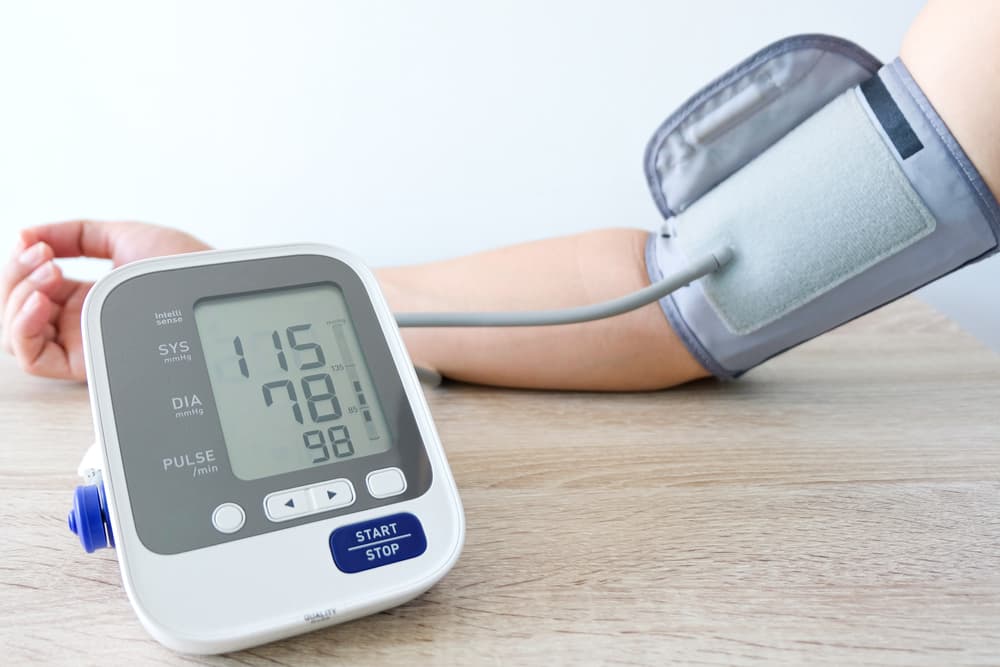
Should I use a home blood pressure monitor?
A home blood pressure monitor can be a useful tool for tracking progress and understanding how lifestyle changes affect your readings.
Home monitoring can help provide a more accurate picture because some people experience higher readings in clinical settings due to anxiety or stress.
A home blood pressure reading of 135/85 mmHg or above is generally considered high. Sharing your readings with your GP or prescriber can help them make informed decisions about your treatment plan.
Monitoring your blood pressure does not mean making medication changes independently. If your readings improve or worsen, discuss the results with your healthcare professional before changing your treatment.
Final Thoughts From Our Clinical Team
“Managing high blood pressure does not require crash diets or unrealistic changes. Small steady improvements based on the DASH pattern and NHS healthy eating principles can create meaningful benefits when they become part of your everyday routine.
A practical starting point may be filling half your plate with vegetables, choosing wholemeal alternatives, including oily fish such as salmon, mackerel or sardines twice a week and checking for hidden salt in everyday foods. Keeping salt intake under 6g a day can support healthier blood pressure, with some people noticing improvements within a fortnight.
However, dietary changes should always be considered alongside your personal health history. People with kidney problems or those taking certain blood pressure tablets may need extra caution with potassium salt substitutes and potassium intake.
Never stop prescribed medication because your numbers are looking better without speaking to your healthcare professional. Improved readings may show that your treatment plan, including lifestyle changes and medicine, is working effectively.
A healthier diet provides a strong foundation for managing hypertension, but continued monitoring and personalised advice from a healthcare professional remain important. Using dietary changes as part of a wider approach that supports your long-term heart and brain health.”
Sources
[1] High blood pressure (Hypertension) - causes and symptoms - BHF
[2] DASH diet: what to eat to lower high blood pressure - BHF
[3] High blood pressure (hypertension) and diet - BDA
[8] Hypertension in adults: diagnosis and management | Guidance | NICE
[9] Effect of Salt Substitution on Cardiovascular Events and Death | New England Journal of Medicine
Related Blog Posts



Blog author


Scott Weaver
Scott is an experienced and professional content writer who works exclusively for UK Meds.
Content last updated:





Here to help you
Our Customer Service is available Monday to Friday 9am - 5pm. If you need urgent assistance, do not use this service. Call 111, or in an emergency call 999. Visit our help section